
Home Energy Storage | Australia
The Rise of Tesla Powerwall 2 in Revolutionizing Home Energy
The rise of Tesla Powerwall 2 marked an important turning point in residential solar battery technology. By combining substantial home energy storage, intelligent software and an attractive compact design, Powerwall 2 helped make battery storage a practical consideration for Australian households.
Before home batteries became widely recognised, many rooftop solar households exported unused daytime electricity to the grid and purchased electricity again after sunset. Tesla Powerwall 2 demonstrated how storing surplus solar energy could change that relationship.
With 13.5kWh of usable battery capacity, automatic energy management and compatible blackout backup, Powerwall 2 became an influential product in the growth of home solar battery storage.
Today, newer technologies such as Tesla Powerwall 3 offer additional capabilities. Understanding Powerwall 2 remains useful for homeowners comparing solar batteries, reviewing existing systems or planning an upgrade.
ADS Solar helps Australian homeowners compare suitable solar and battery storage systems.
Call 1300 812 911How Did Tesla Powerwall 2 Revolutionise Home Energy?
Tesla Powerwall 2 helped transform residential solar from a system focused mainly on daytime generation into a more flexible home energy solution. It allowed households to store surplus solar electricity and use it later, helping reduce electricity purchased from the grid.
Its combination of 13.5kWh usable storage, a built-in battery inverter, app-based monitoring and optional backup capability helped establish expectations for modern residential energy storage systems.
The technology did not eliminate electricity bills or guarantee energy independence. Instead, it gave suitable households greater control over when they used their solar electricity.
What Is Tesla Powerwall 2?
Tesla Powerwall 2 is a rechargeable lithium-ion home battery developed to store electricity for later use. It can operate with compatible rooftop solar installations and provides energy management capabilities through the Tesla ecosystem.
Introduced during the expansion of the residential battery market, Powerwall 2 offered a significant increase in storage capacity compared with the original Tesla Powerwall.
The system uses an integrated AC battery inverter, allowing it to work with suitable solar installations through an AC-coupled configuration.
Its combination of storage capacity, automation and monitoring helped bring household battery technology into mainstream discussion.
Learn more about the product in our Tesla Powerwall 2 Australia guide .
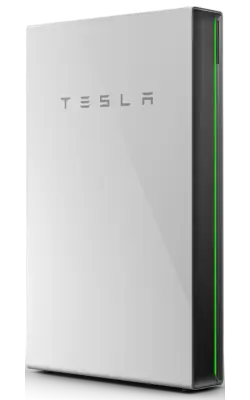
Tesla Powerwall 2 Specifications in Australia
Understanding the technical specifications of Tesla Powerwall 2 helps explain why the battery attracted attention from homeowners and solar installers.
| Specification | Tesla Powerwall 2 |
|---|---|
| Battery technology | Lithium-ion |
| Total energy | 14kWh |
| Usable storage capacity | 13.5kWh |
| Continuous charge/discharge power | 5kW |
| Round-trip efficiency | Approximately 90% |
| Nominal AC voltage | 230V |
| Operating temperature | -20°C to 50°C |
| Dimensions | 1150 × 753 × 147mm |
| Weight | Approximately 114kg |
| Mounting | Wall or floor mounting |
| Warranty | 10 years, subject to terms |
| Monitoring | Tesla app |
Specifications reflect Tesla’s Australian Powerwall 2 AC datasheet. Actual performance varies with operating conditions, installation configuration and battery age.
Manufacturer reference: Tesla Powerwall 2 Australian datasheet .
How Tesla Powerwall 2 Works with Solar Panels
Tesla Powerwall 2 uses an intelligent energy management system to help households store and use electricity more effectively.
1. Solar Generation
Rooftop solar panels generate electricity during daylight hours, supplying the home’s immediate electricity needs.
2. Battery Charging
Suitable surplus solar electricity can charge Powerwall 2 instead of being exported immediately.
3. Evening Electricity
When solar production falls, stored electricity can help power household appliances and lighting.
4. Energy Monitoring
The Tesla app allows users to view energy flows and battery operating information.
5. Backup Operation
A correctly configured system can supply supported household loads during grid outages.
6. Smart Energy Control
Supported operating modes can help manage energy use according to household preferences and tariffs.
Why Tesla Powerwall 2 Was a Turning Point for Home Batteries
The success of home energy storage depends on more than battery capacity. Consumers also need practical installation options, understandable monitoring and reliable energy management.
Making Solar Energy Available After Sunset
Traditional grid-connected solar systems generate most of their electricity during daylight hours. Powerwall 2 helped demonstrate the value of shifting that energy into evening consumption periods.
Introducing Smart Home Energy Management
Powerwall 2 combined battery hardware with software-based monitoring and automated operating modes. This made energy storage easier for households to understand and manage.
Supporting Greater Energy Resilience
With appropriate backup equipment, Powerwall 2 could supply electricity during certain grid outages. This made battery storage attractive for reasons beyond electricity bill savings.
Encouraging Battery Market Innovation
Powerwall 2 helped establish consumer expectations around usable capacity, compact design, software integration and battery backup. Competition and technological development have since expanded the range of storage systems available in Australia.
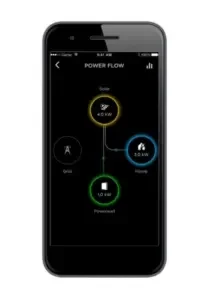
Tesla App and Smart Battery Monitoring
One of Powerwall 2’s influential features was its integration with the Tesla mobile app. Homeowners could monitor electricity flows and better understand the relationship between rooftop solar, battery storage and grid consumption.
What Can the Tesla App Monitor?
- Current battery charge level
- Solar electricity generation
- Household energy consumption
- Electricity imported from the grid
- Electricity exported to the grid
- Historical energy usage information
- Supported operating modes and settings
These capabilities helped make home battery storage more transparent and accessible to everyday users.
Benefits of Tesla Powerwall 2 for Australian Homeowners
Higher Solar Self-Consumption
Store suitable excess solar generation for use when panels are producing less.
Lower Grid Dependence
Reduce electricity purchases when stored energy is available and household demand allows.
Blackout Protection
Supported backup configurations can supply selected loads during grid interruptions.
Intelligent Monitoring
Track battery operation, solar generation and household consumption.
Flexible Solar Integration
AC-coupled architecture enabled integration with many compatible existing solar installations.
Energy Management Options
Supported operating modes help households manage stored electricity according to their energy priorities.
Tesla Powerwall 2 Price in Australia: What Affects the Cost?
The cost of a Tesla Powerwall 2 installation historically depended on the battery equipment, backup hardware, electrical installation requirements and available incentives.
Because Powerwall 2 is an older generation product, historical prices should not be presented as current installation offers. New-unit availability must be confirmed with an authorised supplier.
Typical Battery Installation Cost Factors
- Battery model and equipment availability
- Existing solar inverter configuration
- Backup gateway and associated equipment
- Switchboard upgrades where required
- Battery mounting and electrical cabling
- Site access and installation complexity
- Current incentive eligibility
Homeowners considering a new Tesla battery installation should compare the current generation with other available storage systems.
See our Tesla Powerwall 3 price Australia guide and solar battery prices in Australia for more information.
Tesla Powerwall 2 vs Powerwall 3: What’s the Difference?
Tesla Powerwall 3 builds on the foundation established by Powerwall 2, offering updated inverter integration and higher supported power output while retaining 13.5kWh usable battery capacity.
| Feature | Powerwall 2 | Powerwall 3 |
|---|---|---|
| Product generation | Legacy generation | Newer generation |
| Usable capacity | 13.5kWh | 13.5kWh |
| Continuous power | 5kW | Up to 10kW on-grid in Australia, subject to local conditions |
| Battery inverter | Integrated | Integrated |
| Solar inverter | Separate solar inverter | Integrated solar inverter |
| Energy monitoring | Tesla app | Tesla app |
| Backup support | Compatible backup setup | Compatible backup setup |
| Warranty | 10 years | 10 years |
Specifications are based on Australian Tesla documentation. Actual Powerwall 3 power output depends on configuration and local connection requirements.
Which Tesla Powerwall Should You Choose?
If you already own Powerwall 2, there may be no immediate reason to replace a correctly functioning system. Battery condition, warranty, household demand and upgrade compatibility should guide your decision.
For a new installation, Powerwall 3 is generally the more relevant Tesla model to evaluate, subject to availability, compatibility and project requirements.
Read our detailed Tesla Powerwall 3 Australia guide .
Can Tesla Powerwall 2 Be Added to Existing Solar Panels?
Tesla Powerwall 2 was designed as an AC-coupled battery system, making it compatible with many existing rooftop solar configurations.
However, a successful battery retrofit depends on the inverter, switchboard, grid connection and installation requirements.
Important Compatibility Checks
- Existing solar inverter condition
- Solar system generation capacity
- Electrical supply and switchboard
- Battery location and safety clearances
- Backup equipment requirements
- Current manufacturer support
For new projects, ADS Solar can help assess current battery alternatives rather than relying on the availability of older Powerwall 2 hardware.

Can Tesla Powerwall 2 Reduce Electricity Bills?
Tesla Powerwall 2 can help reduce grid electricity purchases by storing suitable surplus solar generation for later consumption. However, financial savings depend on household circumstances.
Factors That Influence Savings
- Daytime solar electricity production
- Household evening electricity usage
- Electricity import tariffs
- Solar feed-in tariff rates
- Battery charging and discharging efficiency
- Battery installation cost
- Applicable incentives and operating settings
For example, storing surplus solar electricity can be financially beneficial when the value of avoided grid purchases exceeds the value of electricity that would otherwise have been exported, after accounting for battery losses and costs.
A personalised energy assessment is more reliable than a universal savings or payback claim.
Modern Alternatives to Tesla Powerwall 2 in Australia
The residential battery market has developed significantly since Powerwall 2 became popular. Homeowners now have access to a wider range of battery capacities, modular designs and inverter configurations.
Tesla Powerwall 3
The newer Tesla generation combines 13.5kWh storage with an integrated solar inverter.
Anker SOLIX X1
Modular battery storage designed for flexible household energy configurations.
Sigenergy SigenStor
Integrated modular energy storage technology with smart energy management capabilities.
Sungrow Battery
Residential storage systems designed to work with compatible Sungrow inverters.
Alpha ESS
Home energy storage options with different capacities and system configurations.
Other Battery Systems
Compare suitable products based on usable capacity, warranty, backup features and installation cost.
Solar Battery Rebates and Incentives in Australia
Australian households considering a new home battery installation may be eligible for applicable government battery incentives, including the Cheaper Home Batteries Program.
Eligibility depends on current program rules, approved equipment, installation dates, accreditation and other requirements.
Older battery models should not automatically be assumed to qualify for current incentive programs. Always confirm eligibility before accepting a quotation.
For NSW-specific information, see our solar battery price NSW guide .
Professional Solar Battery Installation with ADS Solar
Choosing a battery installer is an important part of planning a reliable home energy storage system. Battery selection should consider electrical safety, compatibility, performance, warranties and installation requirements.
ADS Solar is an Australian-owned solar energy business established in 2009, providing residential and commercial solar solutions.
Our Battery Installation Approach
- Review your electricity bills and household energy requirements.
- Assess existing solar panels, inverter and electrical supply.
- Recommend suitable battery capacities and available models.
- Prepare a written installation proposal with equipment details.
- Arrange compliant installation by appropriately accredited professionals.
- Complete commissioning and explain monitoring and operating features.
ADS Solar assists customers across Sydney, Melbourne, Brisbane, Adelaide and Canberra, subject to installation availability and site suitability.
The Future of Home Energy Storage Beyond Powerwall 2
Tesla Powerwall 2 played an important role in showing Australian households how battery storage could work alongside rooftop solar. Its influence continues through the features now expected from modern energy storage systems.
Greater Integration
Newer systems increasingly combine battery storage, solar conversion and energy management within integrated platforms.
Flexible Battery Capacity
Modular storage products allow homeowners to consider different energy capacities based on their current and future requirements.
Smarter Energy Control
Modern systems may support advanced monitoring, tariff-based operation, virtual power plant participation and compatible backup features.
Home Electrification
Battery storage can form part of broader home energy planning involving electric vehicles, efficient heating, heat pumps and increased rooftop solar generation.
The next generation of home energy systems builds on the foundation established by products such as Tesla Powerwall 2.
Frequently Asked Questions About Tesla Powerwall 2
What is Tesla Powerwall 2?
Tesla Powerwall 2 is a rechargeable home battery designed to store electricity from compatible solar systems or the grid for later use.
How much electricity can Tesla Powerwall 2 store?
Powerwall 2 has 13.5kWh of usable energy storage capacity according to Tesla’s Australian datasheet.
Is Tesla Powerwall 2 still available in Australia?
Powerwall 2 is an older generation product. New equipment availability must be confirmed with an authorised supplier. Powerwall 3 is the more relevant current Tesla product to compare.
What is the difference between Powerwall 2 and Powerwall 3?
Both offer 13.5kWh usable storage. Powerwall 3 introduces an integrated solar inverter and higher supported power output compared with Powerwall 2.
Can Powerwall 2 work during a blackout?
Yes, when installed with compatible backup equipment and an appropriate electrical configuration. Backup duration depends on stored energy and connected loads.
Does Powerwall 2 work without solar panels?
Powerwall can store grid electricity in supported configurations. Operating options depend on the installation and applicable electricity market rules.
How long is the Tesla Powerwall 2 warranty?
Tesla’s published Powerwall 2 Australian datasheet specifies a 10-year warranty, subject to applicable terms and conditions.
Can Powerwall 2 reduce electricity bills?
It can help reduce grid electricity purchases by storing surplus solar generation. Actual savings depend on energy consumption, tariffs and system performance.
Should I replace my existing Powerwall 2?
Not necessarily. A properly functioning system may continue to meet your needs. Consider battery condition, warranty, household demand and upgrade compatibility before making a decision.
How do I get a Tesla battery installation quote?
Complete the ADS Solar enquiry form at the beginning of this article or call 1300 812 911 to discuss current battery options.
Conclusion: The Lasting Impact of Tesla Powerwall 2
The rise of Tesla Powerwall 2 helped change how Australian homeowners think about solar electricity, battery storage and energy independence.
Its 13.5kWh usable capacity, intelligent monitoring and compatible backup capabilities demonstrated that home batteries could provide practical benefits beyond daytime solar generation.
Although newer products have expanded the capabilities of residential storage, Powerwall 2 remains an important milestone in the development of modern home energy systems.
For homeowners planning a new battery installation, the most useful next step is comparing current equipment based on actual energy needs, installation compatibility and long-term value.
Explore Modern Solar Battery Solutions with ADS Solar
Interested in the benefits pioneered by Tesla Powerwall 2? ADS Solar can help you explore current solar battery technologies suitable for your home.
Compare Tesla Powerwall 3, Anker SOLIX X1, Sigenergy, Sungrow and other compatible battery systems.
Contact our team for a personalised solar battery assessment.
Get a Free Battery Quote Call 1300 812 911
ADS Solar
Australian-owned since 2009.
Solar + Storage. Sorted.