
BESS3, BESS4 & BESS5 Commercial Battery NSW
Planning a commercial battery installation in Sydney or regional NSW? The NSW Peak Demand Reduction Scheme includes dedicated battery activities for eligible apartment, business, commercial and industrial energy storage projects.
ADS Solar helps NSW businesses assess commercial battery systems and solar + battery solutions, from smaller business energy storage through to large commercial and industrial BESS projects.
- 20 kWh to 30 MWh projects
- BESS4 business batteries
- BESS5 C&I battery systems
- Commercial solar + battery
- Sydney & regional NSW
- Site-specific energy assessment
Request a Commercial Battery Quote
Tell us about your business, electricity usage, existing solar and proposed battery project. Our team can discuss suitable commercial solar and battery options for your NSW site.
Battery Energy Storage for NSW Businesses
Commercial battery storage is becoming an important consideration for Australian businesses looking to use more of their solar generation, manage electricity consumption and prepare their sites for future energy requirements.
For a business with commercial and industrial solar, a battery can store suitable surplus electricity generated during the day for use at another time. For larger sites, battery energy storage may also form part of a broader energy-management, demand-management or electrification strategy.
The NSW Peak Demand Reduction Scheme provides incentive pathways for qualifying battery installations through activities including BESS3, BESS4 and BESS5.
Before choosing a battery, it is important to assess electricity consumption, existing solar generation, operating hours, maximum demand, electrical infrastructure and future energy requirements.
What Are BESS3, BESS4 & BESS5?
BESS3, BESS4 and BESS5 cover different types and sizes of eligible battery energy storage projects. For NSW businesses researching commercial batteries, BESS4 and BESS5 are particularly relevant.
Apartment Battery Systems
BESS3 relates to qualifying battery installations at eligible apartment buildings and is separate from the business-focused BESS4 and BESS5 activities.
- Apartment applications
- Behind-the-meter storage
- Shared energy applications
- Equipment requirements apply
- Installation requirements apply
Small & Medium Businesses
BESS4 is particularly relevant to qualifying small and medium business premises installing commercial battery storage above 20 kWh and up to 200 kWh.
- NSW business premises
- More than 20 kWh to 200 kWh
- Commercial solar + battery
- Behind-the-meter storage
- Scheme requirements apply
Commercial & Industrial BESS
BESS5 is designed for larger qualifying commercial and industrial battery systems with substantially greater storage requirements.
- Commercial & industrial sites
- Above 200 kWh to 30 MWh
- Large-scale energy storage
- Technical requirements apply
- Site assessment required
BESS3 vs BESS4 vs BESS5 NSW
The appropriate battery activity depends on the type of premises, proposed battery capacity and applicable NSW scheme requirements.
| Activity | Application | Battery Capacity | Typical Project |
|---|---|---|---|
| BESS3 | Eligible apartment buildings | Scheme limits apply | Apartment battery storage |
| BESS4 | Small & medium businesses | >20 kWh to 200 kWh | SME commercial battery |
| BESS5 | Commercial & industrial sites | >200 kWh to 30 MWh | Large C&I BESS |
BESS4 Commercial Battery for Small & Medium Businesses
BESS4 provides a pathway for qualifying NSW small and medium businesses considering behind-the-meter battery storage with combined usable capacity greater than 20 kWh and up to 200 kWh.
This range can suit many commercial applications where a business already has solar or is planning a new solar and battery system.
- Retail businesses
- Offices
- Hospitality businesses
- Small warehouses
- Workshops
- Commercial properties
- Small manufacturing sites
Large Commercial & Industrial Battery Systems
Businesses requiring significantly more storage can investigate BESS5 for qualifying commercial and industrial battery energy storage projects above 200 kWh and up to 30 MWh.
Large BESS projects require careful analysis because battery capacity is only one part of the design. Battery power, site demand, industrial solar generation, switchboard infrastructure, network requirements and operating strategy all need to be considered.
Potential BESS5 Applications
- Manufacturing facilities
- Warehouses and logistics centres
- Cold storage facilities
- Shopping and retail facilities
- Large commercial buildings
- Food processing operations
- Agricultural businesses
- Commercial EV charging sites
- Industrial facilities
Businesses planning fleet or customer charging can also explore commercial EV charging solutions alongside solar and battery storage.
How Does the Commercial Battery Incentive Work?
The commercial battery incentive operates through the NSW Peak Demand Reduction Scheme (PDRS).
The scheme provides a mechanism for eligible activities that reduce or shift electricity demand during periods of peak demand.
For a qualifying commercial battery project, the financial benefit may be reflected as an upfront discount through an eligible participating supplier.
There is no single fixed rebate amount that applies to every commercial battery project.
Potential value can vary according to the relevant activity, battery capacity, system configuration, certificate calculations, market conditions and current scheme rules.
Businesses comparing storage options can also review our solar battery price guide for broader battery pricing information.
Eligibility Considerations
- NSW premises requirements
- Applicable battery capacity
- Eligible equipment
- Battery and inverter configuration
- Network requirements
- Planning requirements where applicable
- Technical standards
- Installation requirements
- Current PDRS requirements
Turn Daytime Solar Into a More Flexible Energy Resource
A solar + battery system can be designed as one integrated energy solution. The objective is not simply to install more equipment, but to match generation and storage with the way your business actually uses electricity.
Generate
Commercial solar generates electricity during daylight hours and can reduce electricity purchased from the grid while solar generation is available.
Store
Suitable surplus solar generation can be directed into commercial battery storage instead of exporting all unused electricity to the grid.
Use
Stored electricity can be used later according to the site’s consumption profile, tariff structure and battery operating strategy.
Add Battery Storage to Your Existing Solar System
If your business already has commercial solar, it may still be possible to add an eligible battery system.
Before choosing battery capacity, the existing solar installation should be assessed together with the site’s electricity consumption and export profile.
Our Assessment Can Consider
- Existing solar capacity
- Solar production
- Electricity bills
- Interval consumption data
- Daytime solar exports
- Peak demand
- Existing inverter configuration
- Potential additional solar
- Battery capacity
- Switchboard requirements
Where additional generation is required, ADS Solar can also assess commercial and industrial solar as part of the overall project.
Why Consider a Commercial Battery?
A commercial battery should be designed around your site’s real energy profile. Depending on the project, storage can support several business energy objectives.
Use More Solar
Store suitable excess solar generation so more renewable electricity can potentially be used by your business.
Reduce Grid Purchases
Use stored electricity during selected periods when the business would otherwise purchase electricity from the grid.
Manage Peak Demand
A suitable battery strategy may help certain businesses manage periods of higher electricity demand.
Energy Resilience
Where appropriate backup functionality is incorporated, battery storage may support selected loads during certain outages.
Support EV Charging
Battery storage can complement EV charging and wider business electrification projects.
Plan for Growth
Commercial storage can form part of a longer-term energy strategy for businesses expecting electricity consumption to increase.
What Size Commercial Battery Does Your Business Need?
There is no single battery size that suits every business. Battery capacity should be determined using actual energy data and the objectives of the project.
| Battery Range | Potential Application | Potential Activity |
|---|---|---|
| 20–50 kWh | Smaller commercial sites with moderate storage requirements | BESS4* |
| 50–100 kWh | Retail, offices, hospitality and smaller warehouses | BESS4* |
| 100–200 kWh | Higher-consumption SME and commercial facilities | BESS4* |
| Above 200 kWh | Larger commercial and industrial facilities | BESS5* |
| 1 MWh+ | Major commercial and industrial storage projects | BESS5* |
*Indicative category only. Final eligibility depends on the individual project and all current NSW scheme requirements.
Commercial Solar Projects Across NSW
Commercial battery storage works alongside the broader electrical and solar infrastructure of a business. ADS Solar has delivered commercial solar projects across Sydney and NSW for businesses and larger facilities.
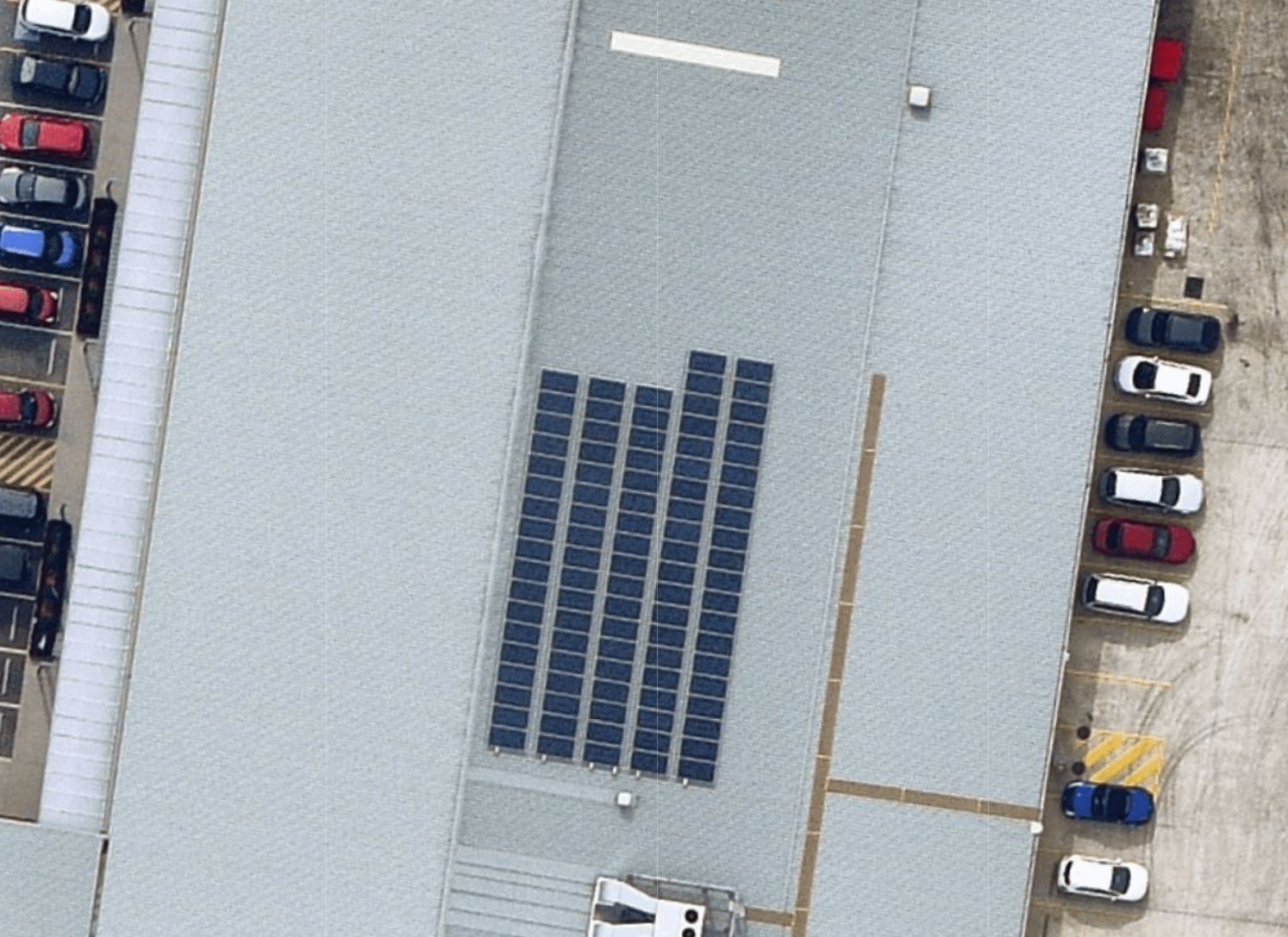
Villawood 100kW Commercial Solar Project
A commercial-scale solar installation demonstrating ADS Solar’s experience working with larger business energy systems in Sydney.
Flower Power – Milperra
A commercial solar project supporting on-site renewable electricity generation for a Sydney business location.
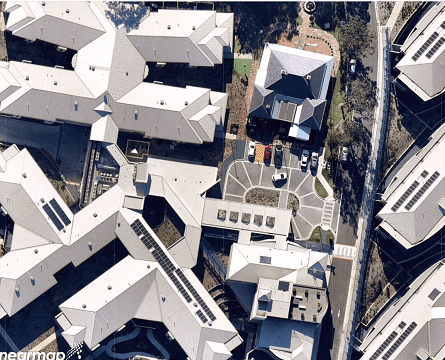
Blue Haven Bonaira Retirement Village & Care Home
Commercial solar experience across a larger facility where energy performance and long-term infrastructure planning are important.
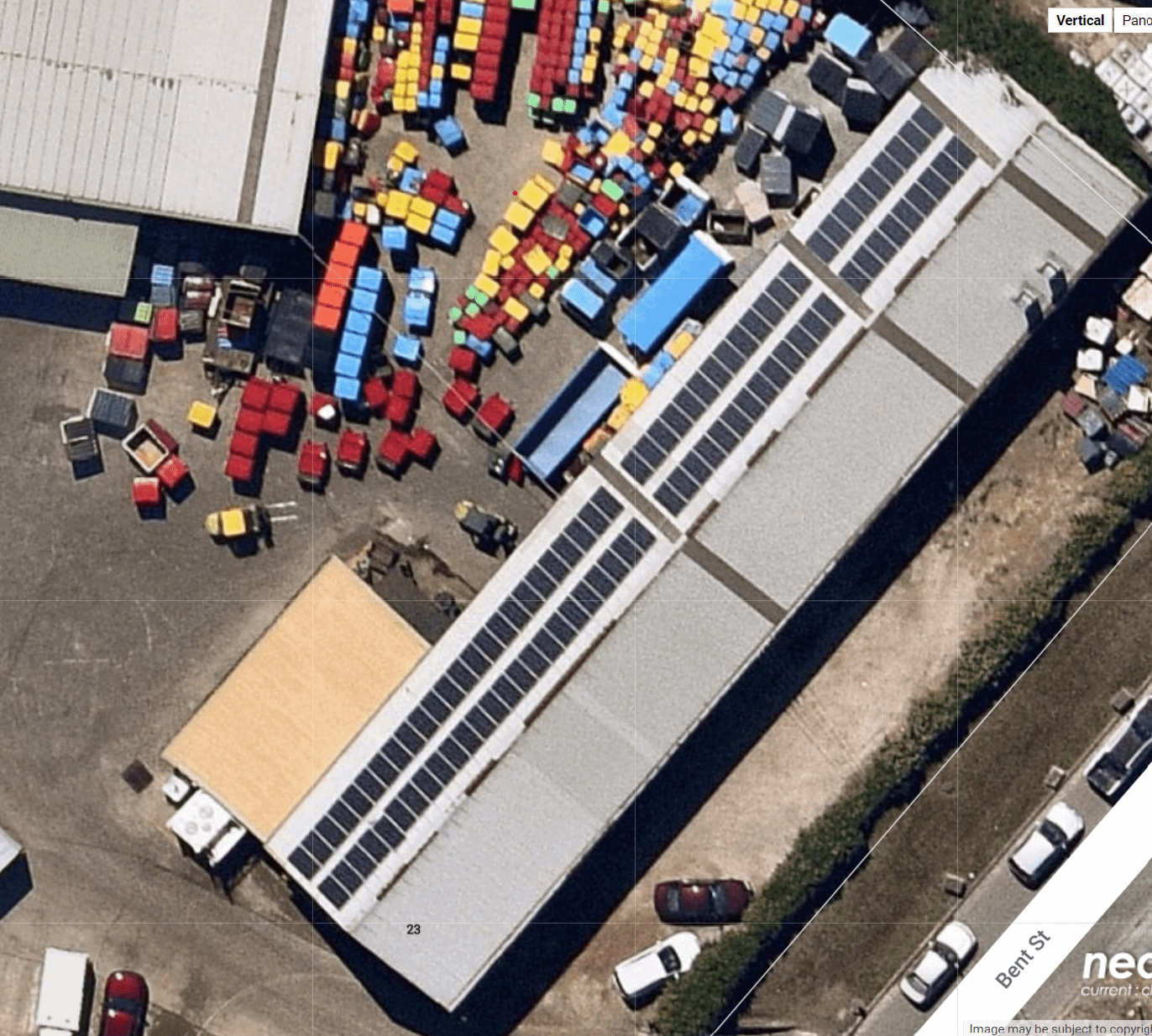
Bent Street – St Marys
Commercial solar project in Western Sydney, an important commercial and industrial area for business energy projects.
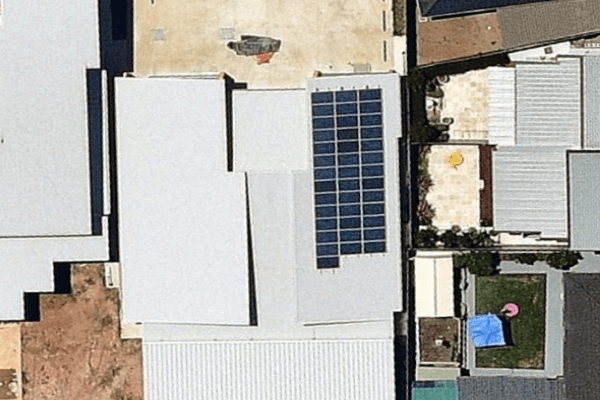
Clickable Solutions – Greystanes
A completed Western Sydney commercial solar project demonstrating ADS Solar’s experience with business energy installations.
Planning Your Commercial Battery Project
Commercial storage should start with an understanding of your site, rather than choosing battery capacity before analysing your energy use.
Energy Assessment
Review electricity consumption, bills, interval data, maximum demand, existing solar and your business objectives.
System Design
Determine an appropriate battery, inverter and solar configuration based on the site’s requirements.
Eligibility Review
Review the proposed system against the relevant BESS activity and current NSW requirements.
Installation
Proceed with applicable approvals, installation, commissioning and required project documentation.
Commercial Battery Solutions Across Sydney & NSW
ADS Solar works with businesses considering commercial solar, battery storage and integrated energy solutions throughout metropolitan Sydney and regional NSW.
Sydney
Commercial battery solutions for offices, warehouses, retail properties, commercial buildings and industrial sites throughout metropolitan Sydney.
Western Sydney
Commercial energy projects across Parramatta, Blacktown, Penrith, St Marys, Greystanes, the Hills District and surrounding commercial and industrial areas.
Regional NSW
Commercial and industrial battery projects can be assessed for regional NSW businesses, subject to location, project scope, site conditions and network requirements.
Commercial Solar & Battery Expertise
A commercial BESS project involves much more than selecting a battery. The storage system needs to work with your electricity profile, solar generation, electrical infrastructure and operational requirements.
Experience Since 2009
ADS Solar has been helping Australian customers plan and install solar energy solutions since 2009.
Site-Specific Design
We assess the individual site’s electricity and energy requirements rather than applying the same battery configuration to every business.
Solar + Battery Solutions
Solar generation and battery storage can be assessed together when developing an integrated business energy solution.
BESS3, BESS4 & BESS5 NSW FAQs
What is BESS4 in NSW?
What is BESS5 in NSW?
What is BESS3?
What size commercial battery can qualify in NSW?
How much is the NSW commercial battery incentive?
Can I add a battery if my business already has solar?
Does my business need solar to install a battery?
How do you determine commercial battery size?
Can ADS Solar assess a large BESS5 project?
Planning a Commercial Battery in NSW?
Whether you’re considering a smaller commercial battery, a BESS4 business installation or a large BESS5 commercial and industrial energy storage project, talk to ADS Solar about your electricity requirements, existing solar and proposed battery solution.
Important: Information on this page is general in nature and does not constitute financial, legal, tax or guaranteed scheme eligibility advice. NSW PDRS requirements, equipment requirements, certificate values, technical standards and incentive amounts may change. Eligibility and the applicable financial benefit should be confirmed for the individual project before installation.
Information updated September 2026. Refer to current NSW Government and IPART Peak Demand Reduction Scheme information for official requirements.