
Residential solar installation for Australian homes
ADS Solar designs and installs residential solar for Australian homeowners, with a strong service focus across Sydney, Melbourne, Brisbane, Adelaide and Canberra. Compare 6.6kW, 10kW and 13kW solar, batteries and EV-ready home energy solutions.
Compare home solar system prices
Final pricing depends on equipment, roof type, switchboard work, access, network requirements and installation location.
For many smaller and medium households with moderate electricity use.
- Approx. 14–17 modern panels
- Matched inverter
- Professional installation
For larger homes, higher daytime loads, EV charging or battery planning.
- Approx. 22–25 panels
- Higher generation potential
- Battery-ready options
For large homes, pools, ducted air conditioning, EVs and greater electrification.
- Approx. 28–30 panels
- Large household capacity
- Battery integration available
*Indicative starting prices only and may assume eligible STCs and standard installation conditions.
Get your residential solar quote
Tell ADS Solar about your home, electricity use and future plans. We can recommend a suitable solar size, inverter and battery-ready configuration.
Why install residential solar in Australia?
Rooftop solar generates electricity during daylight hours. Using that electricity directly can reduce the amount purchased from the grid.
The strongest results usually come from matching system size to household consumption, roof space and future electricity demand.
- Reduce suitable daytime grid imports
- Use rooftop space to generate electricity
- Prepare for home battery storage
- Support suitable EV charging
- Plan for future electrification
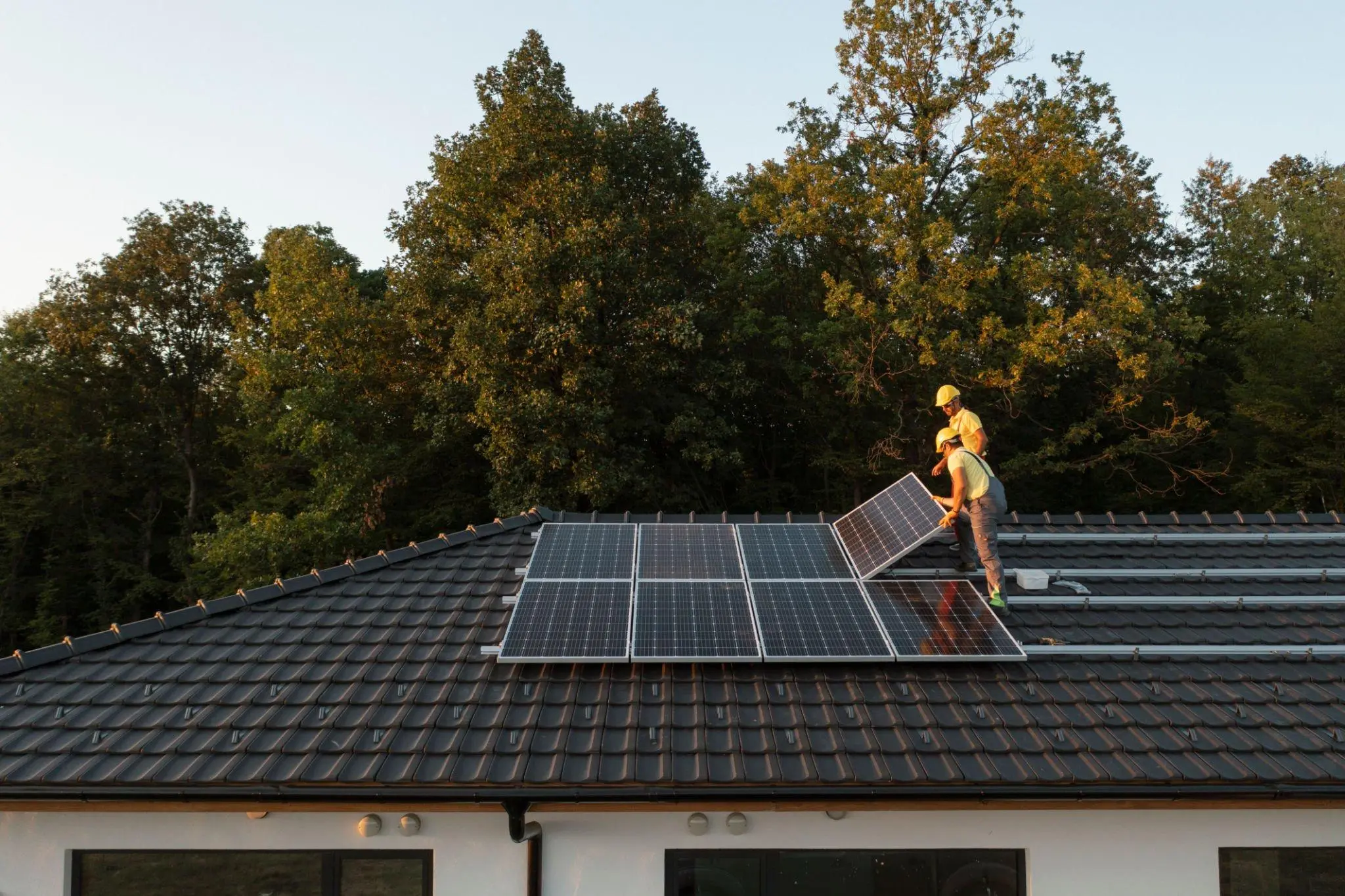
6.6kW, 10kW or 13kW residential solar?
There is no single system size for every home. Electricity use, roof area, pools, EVs and battery plans can change the recommendation.
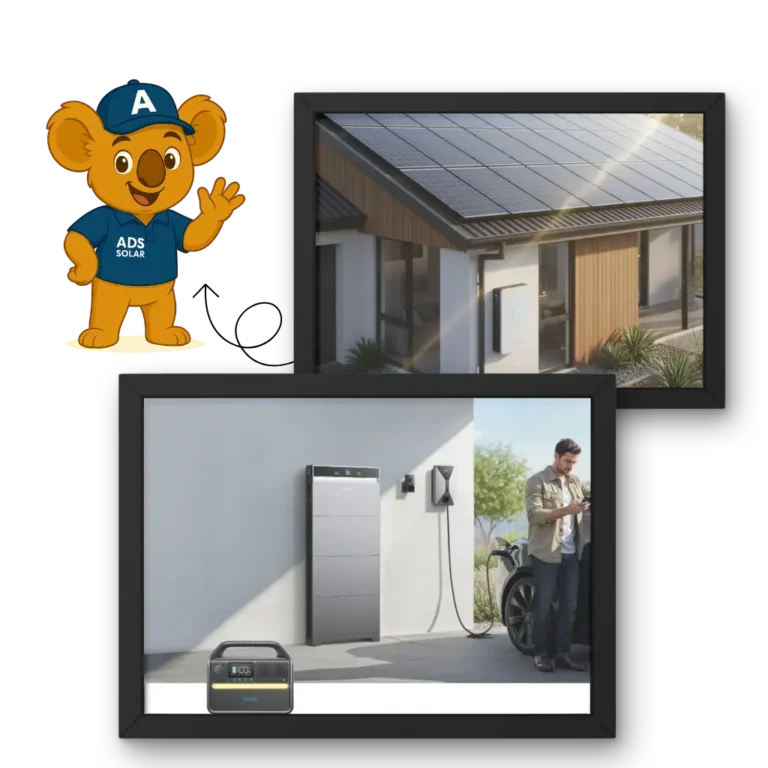
Add home battery storage to residential solar
A compatible home battery can store suitable excess solar generation for later use. Storage can be installed with new solar or added to many existing systems after compatibility is checked.
- Store suitable excess daytime solar
- Use stored energy later
- Reduce selected evening grid imports
- Consider backup where supported
- Plan for EVs and electrification
Compare residential battery brands
Battery selection depends on usable capacity, inverter compatibility, backup needs, monitoring, expandability and budget.
Tesla Powerwall 3
Integrated home battery storage and supported backup applications.
Explore Tesla ?Sigenergy
Modular storage and intelligent energy management.
Explore Sigenergy ?Anker SOLIX X1
Modular home battery storage for compatible residential systems.
Explore Anker ?Sungrow battery
Storage and compatible hybrid inverter options.
Explore Sungrow ?AlphaESS
Residential battery configurations for different household needs.
Explore AlphaESS ?SAJ battery
Home battery storage and pricing options.
Explore SAJ ?Residential solar for EV charging
An electric vehicle can become one of the largest new household loads. Solar sizing should consider how often the EV is home during daylight and how much energy it needs.
Smart charging can help align EV charging with available solar generation where compatible equipment is used.
Explore EV charging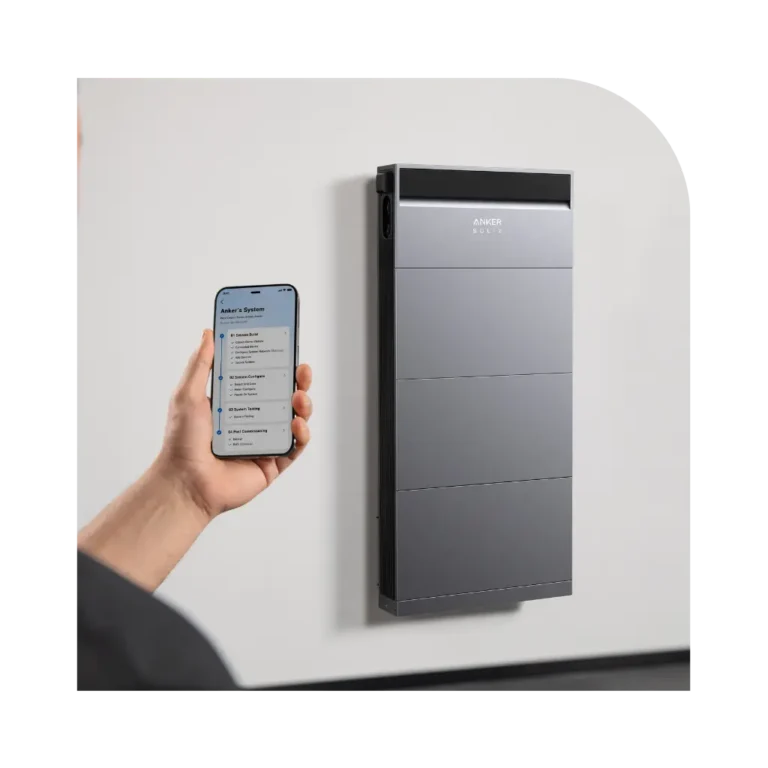
STCs can reduce the upfront cost of eligible home solar
Most eligible residential rooftop solar systems can receive support through Australia’s Small-scale Renewable Energy Scheme. Eligible home batteries can receive separate support under the current federal battery program.
Solar STCs
Eligibility depends on system size, location, approved equipment and accredited installation. STC entitlement decreases as the scheme approaches 2030.
Battery support
Battery rules and calculations are separate from rooftop solar STCs, so eligibility should be checked when the quote is prepared.
Residential solar installation in Sydney, Melbourne, Brisbane, Adelaide and Canberra
ADS Solar serves Australian homeowners nationally, with these five metropolitan markets as our main residential service focus.
Residential solar Sydney
Sydney properties range from compact urban roofs to larger Western Sydney and Hills District homes. Roof layout, shading, pools, air conditioning, batteries and EVs should be considered together.
Residential solar Melbourne
Melbourne system design should account for seasonal generation, roof orientation, heating electrification, home batteries and EV charging.
Residential solar Brisbane
Brisbane homes can have strong daytime solar opportunities. Air conditioning, pools and battery plans often influence the final system size.
Residential solar Adelaide
Adelaide households can combine strong rooftop solar conditions with battery storage, EV charging and high summer electricity use.
Residential solar Canberra
Canberra homes often benefit from planning solar around heating, cooling, hot water, EVs and other all-electric household loads.
Other Australian locations
ADS Solar also supports other serviceable areas. Installer availability and network requirements should be confirmed for the property postcode.
How residential solar installation works
A professional residential solar project should start with electricity use, roof conditions and future energy needs.
1. Review energy use
Assess bills, daytime loads, future EVs and battery plans.
2. Assess the property
Review roof area, shading, orientation, switchboard and phase supply.
3. Design the system
Select solar size, panels, inverter and battery-ready configuration.
4. Install and commission
Complete installation, testing, commissioning and monitoring setup.
Why choose ADS Solar for residential solar?
ADS Solar combines solar, batteries and EV charging so homeowners can plan the wider energy system rather than treating each upgrade separately.
Experience since 2009
Established experience across Australian residential solar projects.
System-first design
Solar size, inverter, battery plans and electrical requirements are considered together.
Multiple battery options
Compare several home battery technologies when storage is part of the project.
Quote and support
Get a property-specific proposal rather than relying only on generic online pricing.
Residential solar, battery and EV resources
Use these guides to compare system sizes and complete home-energy solutions.
6.6kW solar system
Pricing, output and household suitability.
Explore ?10kW solar system
Larger residential solar for higher energy demand.
Explore ?13kW solar system
High-capacity residential solar for larger homes.
Explore ?Solar and battery
Combined solar and home battery solutions.
Explore ?Home batteries
Battery sizes, backup and storage technology.
Explore ?EV charging
Plan home EV charging alongside rooftop solar.
Explore ?Build the right residential solar system for your home
ADS Solar can assess electricity use, roof space, battery plans and EV charging needs before preparing a personalised residential solar quote.
Frequently asked questions about residential solar
How much does residential solar cost in Australia?
Cost depends on system size, equipment, roof, switchboard, installation complexity and location. ADS Solar advertises selected 6.6kW, 10kW and 13kW systems from $3,999*, $5,999* and $6,999* respectively.
What size residential solar system do I need?
The best size depends on electricity use, roof area, daytime consumption, battery storage, EV charging and budget.
Should I install a battery with residential solar?
A battery can store suitable excess solar for later use. Whether it is worthwhile depends on evening consumption, solar surplus, tariffs, backup goals and installed cost.
Can residential solar charge an electric vehicle?
Yes. Suitable daytime EV charging can use rooftop solar generation. Smart charging may help align charging with available solar production.
Are residential solar systems eligible for STCs?
Most eligible residential rooftop solar systems can receive support through the Small-scale Renewable Energy Scheme, subject to current program rules.
Where does ADS Solar focus residential installation?
ADS Solar serves Australian homeowners nationally, with Sydney, Melbourne, Brisbane, Adelaide and Canberra as its main residential service cities.