
Home batteries for Australian homes
Compare home batteries from Tesla, Sigenergy, Anker SOLIX, Sungrow, AlphaESS and SAJ. ADS Solar can design battery storage for an existing solar system or a new solar and battery package . You can also compare solar battery prices before choosing a battery capacity.
Not sure what battery size you need? Tell us about your existing solar, evening electricity use and future energy plans. We can help assess 10kWh, 20kWh, 30kWh or other suitable storage options.
What is a home battery?
A home battery stores electricity so your household can use it later. When paired with rooftop solar, the battery can store suitable excess daytime generation for use in the evening, overnight or when solar output is low. Some systems can also provide backup power when they are correctly designed and configured.
Generate solar energy
Your rooftop solar system generates electricity during suitable daylight conditions.
Store excess energy
Available surplus solar can charge a compatible home battery instead of being immediately exported.
Use energy later
Stored electricity can support household demand when solar generation falls, subject to system settings and available charge.
Home battery prices in Australia
Battery cost depends on usable capacity, brand, inverter requirements, backup configuration, switchboard work, installation conditions and available incentives. These ADS Solar starting prices provide a simple comparison point. For more options, visit our solar battery prices page .
- Moderate evening demand
- Existing or new solar
- Site-specific compatibility check
- Higher evening usage
- Larger households
- Future electrification planning
- High-consumption homes
- EV and large household loads
- Greater storage capacity
*Indicative starting prices only. Final pricing depends on the selected battery, system configuration, property, electrical work, installation conditions and incentive eligibility. Request a site-specific quote before making a purchase decision.
Benefits of home batteries
A battery can make more of your solar generation available outside daylight hours. However, the value depends on your household usage, tariff, system cost and available solar energy.
Use more of your solar
Store suitable excess daytime generation and use it later instead of exporting all surplus energy.
Reduce grid imports
Stored energy can reduce the amount of electricity purchased from the grid during suitable periods.
Backup options
Compatible systems can support selected circuits or broader household loads during an outage when correctly configured.
Prepare for future loads
Battery planning can account for EV charging , electric hot water, air conditioning and other future electricity demand.
Compare home batteries available from ADS Solar
There is no single best battery for every property. Compare system architecture, capacity, compatibility, backup requirements, monitoring, expandability, warranty and installed cost. For a broader price comparison, visit our solar battery prices page .
Tesla Powerwall 3
Premium integrated home energy storage with app monitoring and configurable backup functionality.
Explore Tesla Powerwall 3 →Sigenergy SigenStor
Modular energy storage designed for flexible configurations and intelligent home energy management.
Explore Sigenergy →Anker SOLIX X1
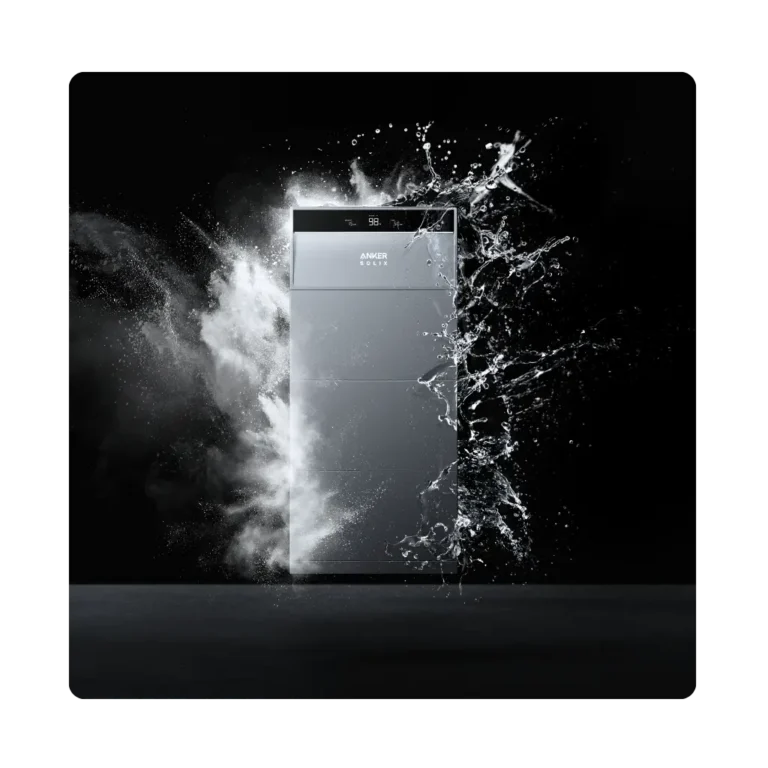
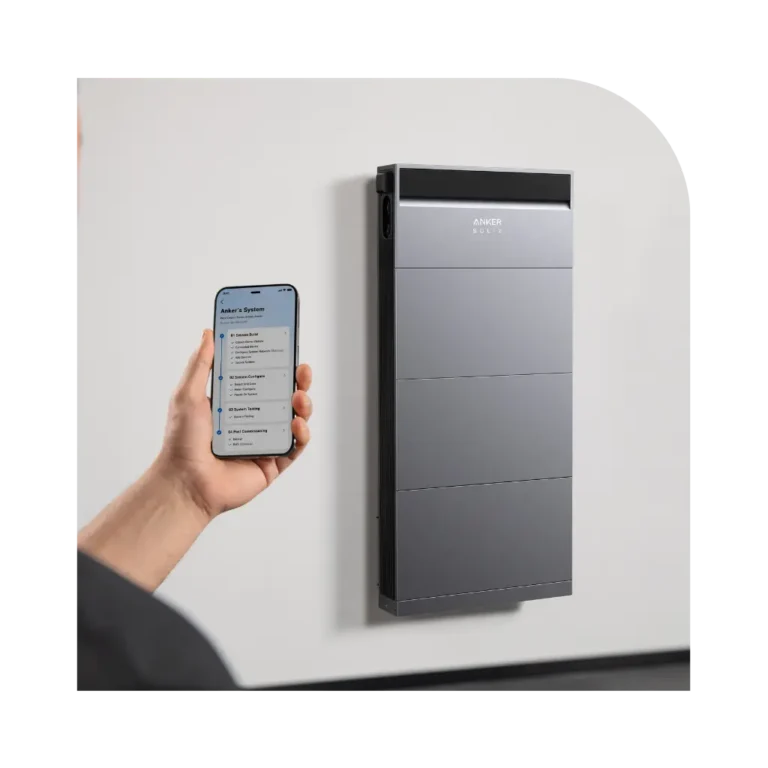
Modular home battery storage suited to new solar installations and compatible existing solar upgrades.
Explore Anker SOLIX X1 →Sungrow battery
Modular battery storage with strong integration options across compatible Sungrow solar equipment.
Explore Sungrow →AlphaESS battery
Residential energy storage available in multiple configurations for different household requirements.
Explore AlphaESS →SAJ solar battery
Home energy storage option for households comparing battery capacity, solar integration and value.
Explore SAJ →What should you compare before buying a home battery?
Brand is only one part of the decision. A suitable battery should match your energy profile, existing equipment and goals.
| Factor | Why it matters | What to check |
|---|---|---|
| Usable capacity | Determines how much stored energy is available for household use. | Compare usable kWh, not only the headline battery size. |
| Power output | Affects how much load the battery can support at one time. | Consider normal household loads and backup loads. |
| Solar compatibility | Existing systems may require a particular coupling method or additional equipment. | Check inverter, phase configuration and system architecture. |
| Backup capability | Not every battery installation automatically supplies power during a blackout. | Confirm supported circuits, power limits and backup hardware. |
| Expandability | Future electricity demand may increase. | Check whether additional modules can be added later. |
| Warranty | Warranty terms can differ by product. | Compare years, throughput, retained capacity and conditions. |
| Monitoring | Energy data can help you understand generation, storage and consumption. | Compare app features and ongoing connectivity requirements. |
| Installed cost | Electrical work and site conditions can materially affect final pricing. | Compare complete installed quotes and solar battery prices rather than hardware alone. |
What size home battery do I need?
Start with your electricity consumption after solar production falls. Then consider how much excess solar is available to recharge the battery.
A larger battery is not automatically better. Oversizing can leave capacity unused, while undersizing may not cover the periods you want to offset.
- 10kWh: a useful starting point for some homes with moderate evening use.
- 20kWh: may suit larger households with higher evening and overnight demand.
- 30kWh+: may suit high-consumption homes, EV owners and households with substantial solar generation.
Cheaper Home Batteries Program in 2026
Eligible Australian households and small businesses can receive support for eligible small-scale battery systems connected to new or existing rooftop solar through the Australian Government’s Cheaper Home Batteries Program.
The program operates through the Small-scale Renewable Energy Scheme. From 1 May 2026, the STC calculation uses capacity tapering. The first 14kWh receives 100% of the applicable STC factor. Capacity above 14kWh and up to 28kWh receives 60%, while capacity above 28kWh and up to 50kWh receives 15% of the applicable factor.
Can I add a home battery to my existing solar system?
Many existing solar systems can be upgraded with battery storage. However, compatibility needs to be checked before selecting a battery.
- Existing inverter type and age
- Solar array capacity and generation
- Single-phase or three-phase supply
- Switchboard condition
- Battery installation location
- Backup requirements
Some homes may use an AC-coupled solution. Others may benefit from a hybrid inverter or broader system upgrade.
Installing solar and a home battery together
Installing solar and battery storage together allows the generation, inverter and storage system to be planned as one project. This can make it easier to consider compatibility, future loads, monitoring and backup requirements from the start.
Residential solar
Explore rooftop solar systems for Australian homes, including battery-ready design options.
Explore residential solar →Solar and battery packages
Compare combined solar and battery options for households installing a complete energy system.
Explore solar and battery packages →Solar battery prices
Compare common battery capacities, brands and indicative storage pricing.
Compare battery prices →Can a home battery power your house during a blackout?
A compatible home battery can provide backup electricity when the system is specifically designed and configured for outage operation. The available backup depends on the battery, inverter, switchboard, battery charge level and household loads.
Essential-circuit backup
A system may be configured to support selected loads such as lighting, refrigeration and communications.
Broader home backup
Some systems can support a wider range of loads. Power limits and high-demand appliances still need to be assessed.
Solar during an outage
Whether solar can continue operating and recharge the battery during an outage depends on the system architecture and equipment.
Home batteries for electric vehicle owners
An EV can significantly increase household electricity use. Battery sizing should therefore consider your daily driving, charging schedule, solar generation and other household loads.
- Daytime solar EV charging
- Overnight charging
- Available battery capacity
- Solar system size
- Single-phase or three-phase supply
- Future second EV
Plan for the home you will have
Today’s electricity bill may not represent your future demand. Also consider electric hot water, induction cooking, additional air conditioning, pool equipment and EV charging before choosing storage capacity.
AC-coupled vs DC-coupled home batteries
Both architectures can work well. The suitable approach depends on whether you already have solar, your inverter, the battery platform and the design goals.
AC-coupled battery
An AC-coupled battery can often be considered for an existing solar system because the storage system can operate alongside the current solar inverter. Additional conversion stages and equipment requirements should be assessed.
DC-coupled or hybrid system
A hybrid architecture can integrate solar and battery storage through compatible equipment. It is often considered when installing a new solar and battery system together or when upgrading existing equipment.
What happens during a home battery installation?
Every property is different. A professional assessment should confirm compatibility, electrical requirements, location and commissioning before the battery is installed.
Assess energy needs
Review electricity use, solar generation, evening demand, tariffs and future loads.
Check the property
Assess inverter compatibility, phase supply, switchboard, battery location and network requirements.
Design the system
Select suitable capacity, equipment, backup configuration and monitoring.
Install and commission
Complete electrical installation, commissioning, safety checks and monitoring setup where applicable.
Get your home battery assessment
Your quote form is already available at the top of this page. Tell ADS Solar about your existing solar, electricity usage and preferred battery capacity for a tailored assessment.
Choose a home battery installer that looks at the whole system
Battery performance depends on more than the battery brand. ADS Solar considers the solar system, inverter, switchboard, household loads, storage goals and future energy requirements together.
Experience since 2009
Established solar industry experience across Australian residential energy projects.
Multiple battery brands
Compare several battery technologies instead of being limited to one product platform.
System-first design
Battery sizing and compatibility are considered alongside solar generation and household demand.
Quote and support
Get help comparing products, installation requirements and a site-specific system proposal.
Research home batteries and solar solutions
Use these ADS Solar guides to compare individual battery platforms, pricing or complete solar and energy solutions.
Solar battery prices
Compare battery capacities, brands and indicative storage pricing.
Compare solar battery prices →Tesla Powerwall 3
Pricing, features and installation information.
Learn more →Sigenergy solar battery
Explore modular SigenStor energy storage.
Learn more →Anker SOLIX X1
Compare modular Anker home battery storage.
Learn more →Sungrow solar battery
Explore Sungrow battery storage solutions.
Learn more →AlphaESS battery
Compare AlphaESS home storage options.
Learn more →SAJ solar battery
Explore SAJ battery pricing and storage options.
Learn more →Residential solar
Explore solar systems for Australian homes.
Explore solar →Solar and battery
Compare combined solar and battery packages.
Explore packages →EV charging
Plan EV charging alongside solar and battery storage.
Explore EV charging →Commercial batteries
Explore battery storage for businesses and commercial properties.
Commercial batteries →ADS Solar
Explore ADS Solar’s complete energy solutions.
Visit home page →Which home battery is right for your property?
Compare Tesla, Sigenergy, Anker SOLIX, Sungrow, AlphaESS and SAJ with help from ADS Solar. Get a battery recommendation based on your actual energy needs and compare solar battery prices before choosing your system.
Frequently asked questions about home batteries
How much does a home battery cost in Australia?
Installed cost varies by capacity, brand, inverter requirements, backup configuration, switchboard work and site conditions. ADS Solar advertises selected 10kWh, 20kWh and 30kWh battery configurations from $5,999*, $6,999* and $8,999* respectively. You can also compare our solar battery prices . Final pricing requires a site-specific quote.
What is the best home battery in Australia?
There is no single best battery for every home. Compare usable capacity, power output, inverter compatibility, backup capability, expandability, warranty, monitoring, installed price and your household energy profile.
What size home battery do I need?
Battery size should reflect your evening and overnight electricity use, available surplus solar, tariff, future loads and backup goals. A 10kWh battery may suit some moderate-use homes, while 20kWh or 30kWh+ may suit higher-demand households.
Is a 10kWh battery enough for a home?
It can be enough for some households with moderate evening demand. Check how much electricity you typically use after solar production falls and how much surplus solar is available to recharge the battery.
Can I add a battery to my existing solar system?
Often yes. The installer should first assess your inverter, solar array, phase supply, switchboard, installation location and proposed battery architecture.
Can a home battery work without solar panels?
Some battery systems can technically charge from the grid, depending on equipment and electricity arrangements. However, eligibility for specific government battery support may require connection to new or existing rooftop solar. Confirm current rules before purchase.
Can a battery power my home during a blackout?
A compatible system can provide backup when it is specifically designed and configured for outage operation. Backup capability, supported circuits and power limits vary by system.
Can solar recharge a home battery during a blackout?
Some backup-capable systems can continue using solar and recharge the battery during an outage. This depends on the inverter, battery and backup architecture, so it should be confirmed during system design.
Are home batteries eligible for a federal incentive in 2026?
Eligible small-scale batteries connected to new or existing rooftop solar may receive support through the Australian Government’s Cheaper Home Batteries Program. From 1 May 2026, the applicable STC factor is tapered by usable battery capacity.
Should I install solar and a battery at the same time?
Installing both together can make it easier to design generation, storage, inverter compatibility, monitoring and backup as one system. However, many existing solar systems can also be upgraded with battery storage. Explore solar and battery packages for more information.
What is the difference between usable and nominal battery capacity?
Nominal capacity is the battery’s total stated energy capacity. Usable capacity is the portion available for normal operation under the product’s design and settings. Usable capacity is generally more useful when comparing how much energy a battery can provide.
How long do home batteries last?
Battery life varies by chemistry, temperature, cycling, operating conditions and manufacturer. Compare the product warranty, throughput terms and retained-capacity conditions rather than relying on a single lifespan estimate.
Do I need a three-phase home battery?
Not automatically. The right configuration depends on your property’s phase supply, solar inverter, loads, backup goals and selected battery platform. A system designer should assess the property before recommending equipment.
Which battery brands does ADS Solar offer?
ADS Solar offers home battery options including Tesla Powerwall 3 , Sigenergy SigenStor , Anker SOLIX X1 , Sungrow , AlphaESS and SAJ . Product availability and suitable configurations should be confirmed when requesting a quote.