
Solar for Education Australia – Solar Panels & Battery Storage
ADS Solar provides commercial solar and battery solutions for Australia’s education sector, including schools, colleges, TAFEs, universities, early-learning facilities, training centres and multi-building education campuses.
Education facilities can have substantial daytime electricity requirements from classrooms, administration areas, IT infrastructure, libraries, laboratories, lighting, air conditioning and other campus operations. A properly designed commercial solar system can generate electricity on site during daylight hours, while battery storage can add another layer of energy management where it suits the site’s consumption profile.
Get an Education Solar Quote
Tell us about your school, university, college or education facility. Our team can assess your electricity requirements, available roof space, solar opportunities and battery-storage needs.
What Is Solar for Education?
Solar for education refers to solar photovoltaic systems designed for schools, universities, colleges, TAFEs, training facilities and other educational properties. Rooftop or suitable ground-mounted solar can generate electricity on site, while commercial battery storage can be incorporated where storing and shifting electricity supports the facility’s energy strategy.
Unlike a standard residential installation, an education-sector solar project may need to account for multiple buildings, large roof areas, three-phase electrical infrastructure, significant daytime loads, campus operating schedules, school holidays, future expansion, battery storage and long-term energy planning.
Solar Generation
Use suitable rooftop or available site space to generate electricity close to where the education facility consumes it.
Energy Management
Design the system around the site’s actual consumption profile rather than selecting capacity from roof space alone.
Battery Storage
Where suitable, commercial batteries can store electricity for later use and form part of a broader energy-management strategy.
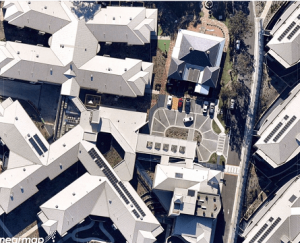
Why Solar Can Suit Schools & Education Campuses
Many education facilities consume substantial electricity during daylight operating hours. Classrooms, administration buildings, computer facilities, libraries, laboratories, kitchens, sporting facilities, air conditioning and other equipment can all contribute to daytime demand.
This makes on-site solar generation worth assessing because part of the electricity produced during the day may be consumed directly by the facility, depending on the site’s load profile and system design.
- Large daytime electricity requirements
- Potentially substantial roof areas
- Multiple buildings or campus facilities
- Long-term operating horizons
- Increasing use of electrical technology
- Air-conditioning and ventilation loads
- Potential EV and fleet-charging requirements
- Opportunities for solar and battery monitoring
For larger energy projects, explore our industrial solar solutions.
Solar Solutions for Different Education Facilities
There is no single solar-system size that suits every education property. The appropriate design depends on the site’s electricity demand, roof or land availability, operating hours, electrical infrastructure and future energy requirements.
Primary Schools
Solar systems can be assessed around classrooms, administration facilities, libraries, halls and other daytime electricity loads.
Secondary Schools
Larger campuses may have substantial loads from teaching blocks, laboratories, sports facilities, technology areas and air conditioning.
Independent & Private Schools
Multi-building campuses can require a broader assessment of roof areas, switchboards, consumption and future facility expansion.
Universities
Large university campuses may require higher-capacity commercial solar, battery storage and staged energy solutions across multiple buildings.
TAFEs & Colleges
Vocational and tertiary facilities can have diverse loads from workshops, classrooms, administration and specialist training equipment.
Early-Learning Facilities
Childcare and early-learning centres can assess solar according to operating hours, roof space, cooling, heating and general daytime consumption.
Experience With Larger Solar Installations
Education solar projects require commercial-system planning, electrical assessment and careful system design. The following ADS Solar project imagery demonstrates experience with larger rooftop solar installations across different Australian property types.
Commercial-scale rooftop generation for facilities with substantial electricity requirements.
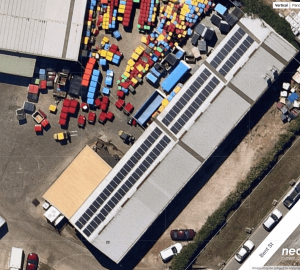
Solar design for properties requiring greater generation capacity than typical residential systems.
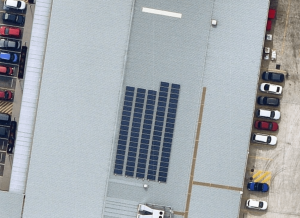
Large roof areas can create opportunities for substantial on-site solar generation.
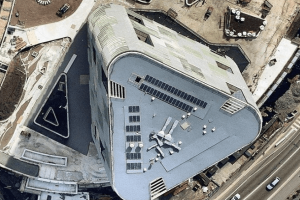
System capacity can be matched with electricity demand, site constraints and long-term energy objectives.
Potential Benefits of Solar Panels for Schools & Universities
Generate Electricity On Site
A commercial solar system can produce electricity at the education facility during suitable daylight conditions.
Reduce Grid Energy Consumption
Solar electricity consumed directly on site can reduce the amount of electricity that needs to be imported from the grid at that time.
Use Available Roof Space
Schools and education campuses can have large roof areas across classrooms, halls, administration buildings and other facilities.
Support Sustainability Goals
On-site renewable generation can form part of an institution’s broader energy and sustainability strategy.
Improve Energy Visibility
Compatible monitoring can provide information about solar production, site consumption and battery operation.
Plan for Future Electrification
Solar planning can consider future electrical loads such as EV charging, electric heating and campus expansion.
What Size Solar System Does a School Need?
The right school solar-system size depends on the site’s electricity consumption and available installation area. Smaller education facilities may investigate systems around 20–30kW, while larger schools, colleges and campuses may require 50kW, 100kW or significantly larger custom-designed systems.
System sizing should ideally use actual electricity data. Interval consumption information can help identify daytime demand, peak periods, seasonal changes and the relationship between site consumption and proposed solar generation.
| System Size | Potential Application | Key Considerations | ADS Solar Guide |
|---|---|---|---|
| 20kW | Smaller education or training facilities | Daytime load, roof area, electrical supply and future consumption | 20kW solar prices |
| 30kW | Small-to-medium education facilities | Three-phase supply, roof layout and consumption profile | 30kW solar prices |
| 50kW | Medium schools and larger education sites | Available roof area, site demand and commercial system design | 50kW solar prices |
| 100kW | Larger schools, colleges and campuses | Site load, connection requirements, roof structure and project design | 100kW solar cost |
| 100kW+ | Large campuses and multi-building education sites | Custom engineering, network requirements, multiple buildings and staged delivery | Industrial solar solutions |
How ADS Solar Assesses an Education Solar Project
Good commercial solar design begins with understanding the facility rather than selecting panels first.
Electricity Usage
Review consumption information to understand how much electricity the facility uses and when it is consumed.
Site Assessment
Review suitable roof or site areas, building layout, access and relevant installation constraints.
Electrical Infrastructure
Assess relevant switchboards, supply arrangements and existing electrical infrastructure.
Solar Opportunity
Estimate suitable solar capacity based on available area, energy consumption and project requirements.
Battery Assessment
Where battery storage is being considered, review how and when stored electricity may be used.
System Design
Develop a suitable solar, inverter and optional storage configuration for the education facility.
Installation Planning
Coordinate project requirements around site access, building operations and agreed installation scheduling.
Commissioning
Complete applicable testing, commissioning and supported system-monitoring setup.
Commercial Battery Storage for Schools & Education Facilities
Solar generation and battery storage perform different roles. Solar panels generate electricity during suitable daylight conditions, while a commercial battery can store electricity and make it available later according to the system design and operating strategy.
Whether battery storage makes sense for an education facility depends on the site’s load profile, solar generation, operating hours, tariff structure, storage objectives and other project-specific factors.
- Store suitable surplus solar electricity
- Shift energy use into different periods
- Support broader energy-management strategies
- Integrate with compatible commercial solar systems
- Plan around future electrical demand
- Support selected backup strategies where appropriately designed
- Provide monitoring of compatible energy systems
Explore commercial battery solutions from ADS Solar.
Solar + Battery Solutions for Education Campuses
For suitable sites, planning solar generation and battery storage as part of the same energy strategy can help the education facility understand how electricity will be generated, consumed and stored across the day.
Generate
Solar panels convert available sunlight into electricity for use across the education facility.
Consume
Suitable solar generation can support the site’s electricity loads while energy is being produced.
Store
Where appropriately designed, suitable excess electricity can be directed into battery storage for later use.
Common Electricity Loads Across Education Facilities
Understanding where electricity is used helps determine whether a proposed solar system is appropriately sized for the site.
Air Conditioning
Heating, cooling and ventilation can represent a substantial electricity load across classrooms and administration buildings.
Lighting
Classrooms, corridors, libraries, halls, sporting facilities and external areas can contribute to site electricity demand.
Computers & IT
Computer rooms, servers, interactive displays, networking equipment and other technology add to daytime loads.
Laboratories
Universities, colleges and secondary schools may operate specialist laboratory and technical equipment.
Kitchens & Canteens
Food preparation, refrigeration and kitchen appliances can create additional daytime electricity consumption.
Workshops
TAFEs, colleges and vocational training facilities may operate machinery and specialist equipment.
Sporting Facilities
Gyms, indoor courts, pools and sporting infrastructure can increase total facility energy consumption.
EV Charging
Future staff, visitor or fleet charging can be considered when planning the site’s long-term electrical requirements.
What About Solar Generation During School Holidays?
School holidays are an important consideration when designing solar for an education facility because electricity consumption may fall while the solar system continues generating during suitable daylight conditions.
Review Holiday Loads
Administration, IT systems, refrigeration, security, maintenance and other loads may continue even when normal classes are not operating.
Assess Export Behaviour
Lower site consumption can increase the proportion of solar electricity available for export, subject to network and system conditions.
Consider Storage
Where suitable, battery storage can be assessed as part of the site’s wider generation and consumption strategy.
Solar for Multi-Building Schools & University Campuses
Large education sites can be more complex than single-building commercial installations. Different buildings may have different roof orientations, switchboards, operating schedules, electrical loads and installation constraints.
A campus-level assessment can consider how available solar areas and electricity consumption interact across the property.
- Multiple classroom buildings
- Administration blocks
- Libraries and learning centres
- Laboratories and workshops
- Sports halls and recreation facilities
- Car parks and suitable structures
- Multiple switchboards or electrical distribution points
- Future campus expansion
Larger sites may also benefit from exploring industrial-scale solar solutions.
What Makes a School Roof Suitable for Solar Panels?
Available roof area is important, but it is not the only factor. Commercial solar design also considers roof condition, orientation, shading, structural suitability, equipment placement and safe installation access.
Available Area
Large uninterrupted roof areas can provide useful space for commercial solar arrays.
Roof Condition
The roof should be assessed as part of planning, particularly for older education buildings.
Orientation & Shading
Solar exposure and shading can affect expected generation across different roof sections.
Building Layout
Multiple buildings can create different solar-array and cable-routing opportunities.
Electrical Access
Switchboards and connection points form an important part of commercial system planning.
Future Works
Planned roofing, construction or campus redevelopment should be considered before finalising system placement.
From Initial Assessment to Solar Commissioning
Education projects can involve multiple stakeholders and operational requirements. A structured project process helps move from initial energy assessment to completed solar installation.
Initial Consultation
Discuss the facility, energy objectives, current electricity use and proposed project scope.
Energy Analysis
Review relevant consumption information and identify the site’s daytime energy profile.
Site Review
Assess roof or installation areas, electrical infrastructure and relevant site constraints.
System Design
Develop a solar-system configuration suited to the site’s requirements and available installation area.
Proposal
Provide the proposed equipment, system capacity, installation scope and project-specific pricing.
Project Planning
Coordinate installation requirements and agreed scheduling around facility operations where practical.
Installation
Complete the approved commercial solar installation and associated electrical work.
Commissioning
Complete applicable system testing, commissioning and supported monitoring setup.
Solar Solutions Across Australian Industries
ADS Solar also provides commercial solar solutions for other Australian businesses and large energy users.
Industrial Solar
Large-scale rooftop solar and energy solutions for suitable industrial facilities.
Explore industrial solar →Solar for Warehouses
Turn suitable warehouse roof space into an on-site electricity-generation asset.
Explore warehouse solar →Solar for Manufacturing
Commercial solar solutions designed around manufacturing electricity requirements and operating profiles.
Explore manufacturing solar →Solar for Retail Stores
Solar systems for suitable retail sites, shopping facilities and commercial properties.
Explore retail solar →Commercial Batteries
Battery energy storage solutions for suitable commercial and larger energy applications.
Explore commercial batteries →Custom Energy Projects
Talk to ADS Solar about a tailored solar and storage solution for your organisation.
Request a project assessment →Compare Commercial Solar System Sizes
Explore indicative system-size information before requesting a site-specific education solar assessment.
20kW Solar System
Explore pricing and considerations for a 20kW commercial solar system.
20kW solar prices →30kW Solar System
Learn about 30kW solar for suitable small-to-medium commercial facilities.
30kW solar prices →50kW Solar System
Explore higher-capacity solar for suitable schools and commercial properties.
50kW solar prices →100kW Solar System
Learn about 100kW commercial solar for larger facilities and campuses.
100kW solar cost →Why Choose ADS Solar for an Education Solar Project?
Education-sector solar requires more than simply installing panels on an available roof. System design should consider electricity demand, site infrastructure, operating patterns and the organisation’s longer-term energy requirements.
Established Since 2009
Australian solar experience across residential, commercial and larger energy projects.
NETCC Approved Retailer
A recognised credential for customers assessing solar and energy retailers in Australia.
SAA-Accredited Installers
Applicable installation work is completed by appropriately qualified and accredited professionals.
Commercial Experience
Experience with larger rooftop systems provides a foundation for education facilities with substantial energy requirements.
Solar + Battery
Generation and storage can be assessed together where the project’s energy requirements support both technologies.
Tailored System Design
System capacity can be developed around the facility rather than forcing every site into a standard package.
Commercial Solar Solutions Across Major Australian Cities
ADS Solar supports commercial solar and battery projects across key Australian markets, subject to project scope, property requirements and service availability.
Sydney & NSW
Solar and commercial battery solutions for suitable schools, colleges, campuses and education facilities across Sydney and NSW.
Melbourne & Victoria
Commercial solar and storage planning for education facilities across Melbourne and selected Victorian locations.
Brisbane & Queensland
Commercial rooftop solar solutions for suitable education facilities across Brisbane and selected Queensland areas.
Adelaide & South Australia
Solar and battery solutions for suitable schools and education-sector properties in Adelaide and selected SA locations.
Canberra & ACT
Commercial solar planning for suitable education and institutional facilities across Canberra and the ACT.
Multi-Site Organisations
Talk to ADS Solar about education organisations operating multiple suitable facilities or campuses.
Frequently Asked Questions About Solar for Education
Straightforward answers for schools, universities, colleges and education organisations considering commercial solar and battery storage.
Are solar panels suitable for schools in Australia?
Solar can be suitable for many schools because education facilities may have substantial electricity consumption during daylight operating hours and potentially useful roof space. Suitability should be confirmed through an assessment of electricity demand, roof conditions, electrical infrastructure and project requirements.
What size solar system does a school need?
There is no standard size for every school. Smaller facilities may investigate systems around 20–30kW, while larger schools and campuses may require 50kW, 100kW or larger custom systems. Actual sizing should use site-specific consumption and installation information.
Can universities install large commercial solar systems?
Yes, suitable university campuses can investigate larger commercial solar installations. The design may involve multiple buildings, substantial roof areas, large electrical loads and more complex electrical infrastructure.
Can schools install solar batteries?
Battery storage can be assessed for suitable schools and education facilities. Whether it is appropriate depends on electricity consumption, solar generation, tariffs, operating hours, storage objectives and the proposed battery configuration.
What happens to school solar during holidays?
Solar panels can continue generating during suitable daylight conditions even when normal school activity is reduced. Holiday consumption, exports and any battery-storage strategy should therefore be considered during system design.
Can solar be installed across several school buildings?
Potentially. Multi-building sites require assessment of roof suitability, electrical infrastructure, switchboards, consumption and connection arrangements before the final system design is determined.
Can an education solar system include EV charging?
EV charging can be considered as part of future energy planning. The expected charging load should be included when assessing solar capacity, electrical infrastructure and potential battery storage.
Does ADS Solar install 100kW solar systems for education facilities?
ADS Solar provides commercial solar solutions including 100kW systems and larger custom projects for suitable properties. Final capacity depends on electricity demand, site conditions, network requirements and project design.
Can battery storage provide backup power for a school?
Selected commercial battery systems can support backup strategies when appropriately engineered and configured. The required loads, battery capacity, inverter capability and electrical design must be assessed for the individual facility.
How do we get a solar quote for our school or university?
Provide ADS Solar with information about your facility, electricity consumption, site location and project requirements. Electricity bills or interval data can be useful when assessing potential commercial solar capacity.
Does ADS Solar provide education solar solutions outside Sydney?
ADS Solar supports commercial solar and battery projects across major Australian markets including Sydney, Melbourne, Brisbane, Adelaide and Canberra, subject to project requirements and service availability.
Explore ADS Solar Commercial Solutions
Industrial Solar
Industrial solar →Warehouse Solar
Solar for warehouses →Manufacturing Solar
Solar for manufacturing →Retail Solar
Solar for retail stores →20kW Solar
20kW solar system →30kW Solar
30kW solar system →50kW Solar
50kW solar system →100kW Solar
100kW commercial solar →Commercial Batteries
Commercial battery storage →Plan Solar & Battery Storage for Your Education Facility
Whether you manage a school, university, college, TAFE, early-learning centre or larger education campus, ADS Solar can assess your electricity requirements, available installation space and commercial solar opportunities.