Sigenergy Solar Battery Price Melbourne – 2026 SigenStor Cost & Installation Guide
If you are comparing the Sigenergy solar battery price in Melbourne, it is important to look beyond the advertised battery price alone. The final cost of a SigenStor system depends on storage capacity, energy controller configuration, backup requirements, your existing solar system, switchboard condition, installation location and electrical work required at your property.
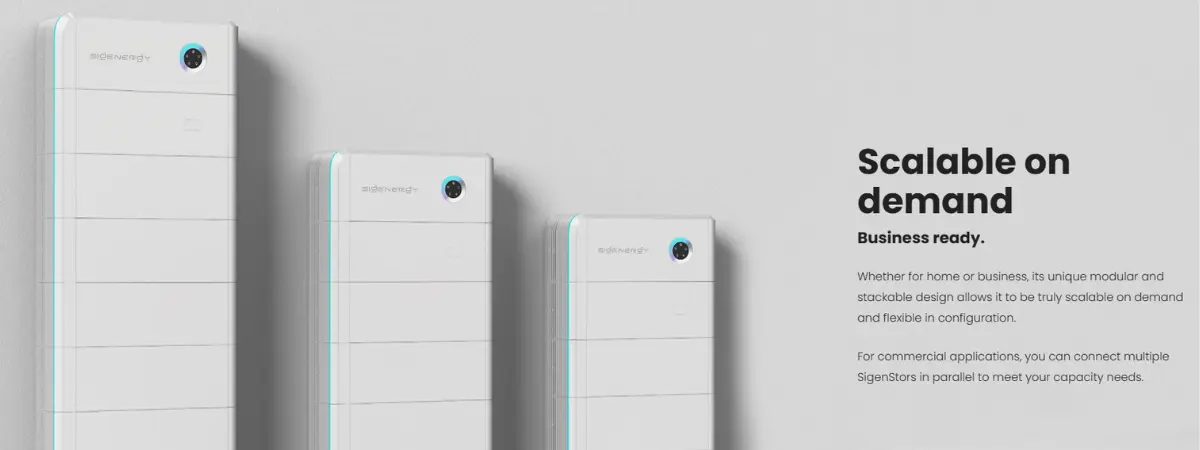
Sigenergy’s SigenStor is a modular energy storage platform that can be configured around different household electricity requirements, including larger battery systems for homes with high evening consumption, electric vehicles or substantial solar generation.

Sigenergy Battery Price Melbourne – Quick Answer
There is no single fixed installed Sigenergy price for every Melbourne home. A meaningful quotation needs to account for battery capacity, Sigen Energy Controller configuration, backup requirements, existing solar equipment, switchboard condition and installation complexity.
Government incentives may also affect the final customer price and can change over time. For this reason, Melbourne homeowners should compare complete installed quotations rather than battery hardware prices alone.
What Is a Sigenergy SigenStor Battery?
SigenStor is Sigenergy’s modular solar energy storage system designed to bring several parts of a home’s energy system together in one platform.
Solar Integration
Depending on the configuration, SigenStor can integrate solar inverter functionality and battery storage into a coordinated home energy system.
Battery Storage
Excess electricity generated by compatible solar panels can be stored for use later instead of immediately exporting all surplus energy to the grid.
Smart Energy Management
Energy production, household consumption, battery operation and grid interaction can be monitored through Sigenergy’s energy-management platform.
Backup Capability
Backup power can be incorporated where the correct equipment, electrical design and backup configuration are included.
EV Charging
Sigenergy’s wider ecosystem includes electric vehicle charging options for households planning an integrated solar, battery and EV solution.
Modular Design
Compatible battery modules can be combined to create different storage capacities within the supported SigenStor system configuration.
The battery modules use lithium iron phosphate (LiFePO4) chemistry. One of the platform’s key advantages is scalability, allowing a qualified installer to design the storage system around household requirements instead of relying on a single fixed-capacity battery.
How Does a Sigenergy Battery Work?
During daylight hours, your solar panels generate electricity. Your home normally uses the available solar energy first.
When solar generation exceeds household demand, a compatible SigenStor system can store some of the surplus electricity in the battery rather than immediately exporting all of it to the electricity grid.
The stored electricity can then potentially be used:
- In the evening after rooftop solar generation falls
- Overnight
- During higher-priced electricity tariff periods where appropriate
- During a grid outage where a correctly configured backup system is installed
The appropriate operating strategy depends on the system configuration, electricity tariff, household energy profile, solar production and energy-management settings.
Good battery design is not about choosing the largest battery. The system should balance solar production, household consumption, usable battery capacity, charge and discharge requirements, backup expectations and budget.
Why Consider Sigenergy Battery Storage in Melbourne?
Melbourne homes can generate useful amounts of rooftop solar electricity, but solar production and household electricity consumption often occur at different times.
A household may generate significant electricity around the middle of the day while occupants are at work or school, then use much more electricity during the late afternoon and evening.
Battery storage can help shift some daytime solar generation into the hours when the household needs electricity.
A Sigenergy battery may be worth investigating if your household:
- Exports significant excess solar electricity during the day
- Purchases substantial grid electricity after sunset
- Has relatively high evening electricity demand
- Uses electric heating or cooling
- Has an EV or plans to purchase one
- Wants to increase solar self-consumption
- Is considering a time-of-use electricity tariff
- Wants appropriately designed backup capability
- Expects household electricity demand to increase in future
Battery economics vary considerably between properties. Electricity bills and interval consumption data generally provide a better basis for sizing a battery than choosing a system simply according to the number of bedrooms.
Sigenergy Battery Sizes and Configurations
Sigenergy’s modular architecture is one of the reasons Melbourne homeowners researching larger energy storage systems consider SigenStor.
Depending on the compatible battery modules and controller selected, different storage configurations can be created within the supported system design.
| Approximate Configuration | Typical Research Intent | May Suit |
|---|---|---|
| Around 8 kWh | Entry-level storage | Lower-to-moderate evening electricity use |
| Around 16 kWh | Medium residential storage | Families with higher evening consumption |
| Around 24 kWh | Large residential storage | High-use households and larger solar systems |
| Around 40 kWh | Very large residential storage | High consumption, EVs or substantial solar surplus |
| Around 48 kWh | Large single-stack configuration research | Very high-use homes or selected larger applications |
Important: nominal battery capacity and usable battery capacity are not necessarily the same. Ask your installer to identify both figures clearly in your quotation and confirm the current supported configuration against Sigenergy documentation.
Sigenergy Battery Price by Capacity in Melbourne
Sigenergy 16 kWh Battery Price Melbourne
Searches for Sigenergy 16kw battery price usually refer to a 16 kWh battery. Battery storage capacity is measured in kilowatt-hours (kWh), while kilowatts (kW) measure power.
A system around this capacity may suit homes with:
- Moderate-to-high evening consumption
- Regular overnight electricity demand
- Productive rooftop solar
- Electric heating or cooling
- Future EV charging requirements
The final installed price should account for the battery modules, controller, backup hardware where selected, electrical protection, switchboard work, commissioning, inspection and applicable incentives.
Sigenergy 24 kWh Battery Price Melbourne
A Sigenergy 24 kWh battery configuration moves into larger residential energy storage.
This capacity may be worth considering where there is:
- A larger rooftop solar system
- Significant daytime solar export
- High evening and overnight consumption
- An EV or planned EV purchase
- A highly electrified household
- Larger backup-energy requirements
Before selecting 24 kWh of storage, examine actual interval consumption and solar export data. More capacity does not automatically produce better financial results.
Sigenergy 40 kWh Battery Price Melbourne
A Sigenergy 40 kWh battery is a substantially larger energy-storage configuration and requires more detailed system design.
This level of storage may be considered for:
- Very high-consumption homes
- Large solar PV systems
- Properties with multiple EVs
- Highly electrified households
- Substantial backup-energy requirements
- Selected small-business or mixed-use applications
The Sigenergy 40 kWh battery price can also be affected by switchboard condition, controller capacity, electrical phase configuration, network requirements and backup design.
Sigenergy 48 kWh Battery Price Melbourne
Sigenergy supports compatible SigenStor configurations reaching approximately 48 kWh per stack.
This is significantly more storage than many ordinary households require. Before considering this capacity, assess:
- Daily household electricity consumption
- Solar exports
- Overnight energy use
- EV charging demand
- Backup-energy requirements
- Available solar energy for recharging
A smaller battery with higher utilisation may offer a better financial outcome for some households.
Get a Sigenergy Battery Quote for Your Melbourne Home
Tell us about your property, current solar system and electricity requirements. ADS Solar can assess suitable SigenStor battery capacity, installation requirements and backup options for your home.
What Does a Sigenergy Battery Cost in Melbourne?
There is no responsible way to provide one guaranteed installed price for every Melbourne property without first understanding the required system design.
Your complete quotation can be affected by:
- Battery capacity
- Number and type of battery modules
- Sigen Energy Controller specification
- Single-phase or three-phase supply
- Existing solar inverter and PV configuration
- Whether new solar is installed simultaneously
- Backup power requirements
- Gateway and associated equipment
- Switchboard condition
- Electrical protection upgrades
- Cable routes and distances
- Battery installation location
- Wall or floor mounting requirements
- Network connection requirements
- Metering requirements
- Inspection and compliance work
- Site accessibility
- Current STC eligibility and value
Melbourne homeowners should therefore compare complete installed quotations rather than comparing battery hardware prices alone.
Why Very Cheap Sigenergy Quotes Need Careful Comparison
Two quotations showing the same nominal battery capacity may include very different scopes of work.
Before deciding that one quote is cheaper, confirm whether each quotation includes:
System Equipment
- Battery capacity
- Controller
- Gateway
- Backup equipment
Electrical Work
- Installation labour
- Electrical protection
- Switchboard work
- Inspection
Handover & Pricing
- Commissioning
- Monitoring setup
- Warranty documentation
- STC treatment and GST
A lower advertised figure may simply exclude electrical work or equipment already included in another installer’s quotation. Request a written scope before comparing prices.
Australian Battery Incentive for Melbourne Homes
Eligible Victorian households may receive support through the Australian Government’s Cheaper Home Batteries Program, delivered through the Small-scale Renewable Energy Scheme.
Eligible small-scale batteries connected to new or existing rooftop solar may generate Small-scale Technology Certificates (STCs), with the value commonly reflected in the customer’s installed price.
2026 Battery Incentive Capacity Tiers
| Usable Battery Capacity Portion | Applicable STC Factor Treatment |
|---|---|
| 0–14 kWh | 100% of applicable factor |
| Above 14 kWh to 28 kWh | 60% of applicable factor |
| Above 28 kWh to 50 kWh | 15% of applicable factor |
This is particularly relevant when comparing 16 kWh, 24 kWh, 40 kWh and 48 kWh Sigenergy systems. The available incentive should not be assumed to increase at the same rate for every additional kWh of storage.
Important: program rules, STC factors, certificate values, approved products and eligibility conditions can change. Confirm current requirements and incentive values at the time of purchase.
Homeowners should also avoid relying on outdated information about previous Victorian battery programs. Check current Commonwealth and Victorian Government information before making a purchasing decision.
Can Sigenergy Be Added to Existing Solar Panels?
Potentially, but compatibility needs to be assessed for the individual property.
An installer should review:
- Existing solar-panel capacity
- Existing solar inverter
- Solar array configuration
- Age and condition of existing equipment
- Switchboard condition
- Available electrical capacity
- Single-phase or three-phase supply
- Current network approval
- Proposed SigenStor architecture
In some circumstances it may be practical to retain parts of an existing solar installation. In others, changing the inverter architecture or upgrading equipment may produce a better overall system.
Learn more about residential solar systems or explore the Sigenergy solar battery range .
How Much Battery Storage Does a Melbourne Home Need?
Battery sizing should begin with electricity data rather than household size alone.
For example, consider a home exporting 18 kWh of excess solar on a suitable day but consuming only 9 kWh between sunset and the following morning.
Installing enough battery capacity simply to capture all 18 kWh may not necessarily be financially efficient if the household regularly consumes only part of the stored energy.
Conversely, a home with an EV, electric hot water, induction cooking, heating and cooling may have substantially greater evening and overnight energy requirements.
A useful battery-sizing assessment considers:
Daily consumption → daytime solar production → solar exports → evening and overnight consumption → electricity tariff → future demand → backup requirements.
Melbourne Solar Conditions and Battery Sizing
Melbourne’s solar production changes considerably through the year.
Long summer days may generate substantial surplus solar energy, while shorter winter days, cloud cover and increased heating demand can reduce the amount of excess energy available for battery charging.
Battery sizing should therefore not be based only on your best summer production days.
A professional assessment should consider annual generation and consumption patterns, particularly when evaluating larger 24–48 kWh battery configurations.
Sigenergy Batteries and Time-of-Use Electricity Tariffs
Some Victorian electricity plans charge different rates depending on the time electricity is consumed.
Where suitable, battery storage can reduce grid purchases during higher-priced periods by supplying stored electricity.
The financial result depends on factors including:
- Your electricity retailer
- Peak and off-peak rates
- Feed-in tariff
- Solar production
- Battery efficiency
- Household load profile
- Battery operating strategy
Do not change electricity tariffs solely because you install a battery. Compare the complete electricity plan against your actual consumption pattern.
Sigenergy Backup Power
Backup power is one of the most misunderstood areas of residential battery storage.
A battery does not automatically mean every appliance in your home will operate normally during a blackout.
Backup performance depends on the system design, gateway equipment, controller capacity, available battery charge and the circuits configured for backup operation.
Common priority backup loads may include:
- Refrigerator
- Lighting
- Internet equipment
- Selected power outlets
- Garage door
- Essential communications equipment
Large electrical loads require additional consideration. If whole-home backup is important, discuss this before accepting the quotation so the electrical design can be assessed accordingly.
Smart Energy Management and the mySigen App
The SigenStor platform includes energy-management functionality and monitoring through the mySigen app.
Solar
View solar generation and production patterns.
Battery
Monitor charging, discharging and battery state of charge.
Household
Review household electricity consumption and energy flows.
Grid
Monitor electricity imported from and exported to the grid.
Monitoring can also help homeowners adjust when they use electricity. Moving suitable discretionary loads into strong solar-generation periods can help increase direct solar self-consumption.
Sigenergy Battery and EV Charging
SigenStor’s wider ecosystem includes EV charging options, including Sigenergy DC charging technology.
This may make the platform attractive to households planning an integrated:
Solar + Battery Storage + Electric Vehicle Charging
EV integration should still be designed around the vehicle, charger, household electrical supply and expected driving requirements.
Vehicle-to-home and vehicle-to-grid capabilities also depend on compatible vehicles, equipment, applicable standards and regulatory arrangements. Compatibility should be confirmed rather than assumed.
Sigenergy vs Other Home Batteries
Melbourne homeowners commonly compare Sigenergy with systems from Tesla, Sungrow and other established battery manufacturers.
Rather than choosing solely according to the brand name, compare the characteristics that affect your property and intended use.
| Consideration | What to Compare |
|---|---|
| Capacity | Usable capacity rather than nominal kWh alone |
| Expandability | Whether storage capacity can be increased later |
| Solar Integration | Compatibility with existing or new solar equipment |
| Backup | Which household circuits and loads can operate |
| Power | Continuous and peak output requirements |
| Monitoring | App features and energy information available |
| EV Integration | Current and future vehicle-charging requirements |
| Warranty | Product, performance and operating conditions |
| Installation | Site, electrical and switchboard requirements |
| Support | Installer and manufacturer support arrangements |
| Price | Complete installed cost after applicable incentives |
Sigenergy’s modular architecture may be attractive where scalability and integrated energy management are priorities. Another battery may be more suitable where compatibility, budget or installation requirements are different.
You can also compare our Sungrow battery solutions , Anker SOLIX X1 , Alpha ESS batteries and Tesla Powerwall 3 .
Sigenergy Battery Warranty
Warranty terms should always be checked against the latest Australian Sigenergy warranty documentation before purchase.
Current Australian and New Zealand factory limited warranty documentation identifies a 10-year product warranty for specified Sigen Battery and Sigen Energy Controller products, subject to warranty conditions, exclusions and performance requirements.
Do not judge a home battery warranty only by the number of years shown in marketing material.
Ask Your Installer
- When does the warranty begin?
- Which components are covered?
- What battery-performance conditions apply?
- Is there an energy-throughput limit?
- What exclusions apply?
- Who handles warranty claims?
- Is labour included in all warranty situations?
- Does the system require internet connectivity?
- What installation or operating conditions affect coverage?
Keep your invoice, commissioning information, equipment serial numbers and warranty documents after installation.
Sigenergy Battery Safety and Victorian Installation Requirements
Home battery installation is regulated electrical work and should not be treated as simply placing battery equipment next to a wall and connecting it.
Victorian battery energy storage installations need to comply with applicable electrical legislation, manufacturer requirements and relevant Australian Standards.
Applicable requirements can include AS/NZS 5139 for battery energy storage system safety together with other relevant electrical and inverter standards.
Installation design may need to consider:
- Battery location
- Required clearances
- Physical impact protection
- Separation requirements
- Switchboard configuration
- Electrical protection
- Backup circuits
- RCD requirements
- Cabling
- Labelling and isolation
- Earthing and neutral arrangements
- Manufacturer installation requirements
These requirements are important reasons to choose appropriately qualified professionals rather than selecting an installer solely according to price.
Where Can a Sigenergy Battery Be Installed?
The appropriate installation location depends on the property, selected equipment, manufacturer instructions and applicable electrical requirements.
A site assessment should consider:
- Manufacturer clearance requirements
- Ventilation
- Weather exposure
- Direct sunlight
- Servicing access
- Vehicle impact risk
- Nearby doors and windows
- Habitable rooms
- Electrical equipment
- Switchboard location
- Cable routes
- Structural suitability
An environmental protection rating does not mean a battery can be installed in any location. The installer remains responsible for designing a compliant installation.
Sigenergy Battery Installation Process in Melbourne
Professional battery installation begins well before the equipment is installed at the property.
Energy Assessment
Electricity use, solar production where available, bills and future energy requirements are reviewed.
Existing System Assessment
Your solar inverter, panels, switchboard and household electrical supply are assessed.
Battery Sizing
Appropriate capacities are compared according to consumption, solar surplus and future requirements.
Backup Planning
Where backup is required, suitable circuits and expected loads are identified.
Site Inspection & Design
Battery location, cable routes, switchboard work and electrical design requirements are confirmed.
Network & Compliance Requirements
Applicable approvals and Victorian electrical compliance requirements are addressed.
Installation
Battery, controller and associated equipment are installed by appropriately qualified professionals.
Testing & Inspection
The system is tested and applicable Victorian inspection requirements are completed.
Commissioning
The energy system is configured, connected to monitoring and checked for correct operation.
System Handover
The homeowner should receive operating information, shutdown instructions, compliance documentation and warranty information.
What Should You Look for in a Sigenergy Battery Installer?
A home battery is a long-term electrical asset. Installation quality is therefore just as important as battery selection.
Before accepting a quotation, check whether the installer has assessed:
- Your interval electricity data
- Existing solar generation
- Solar exports
- Switchboard condition
- Battery location
- Electrical phase configuration
- Backup requirements
- Future EV charging
- Applicable network requirements
- Current incentive eligibility
Be cautious if a large battery is recommended without first asking how much electricity your property actually consumes.
Questions to Ask Before Buying a Sigenergy Battery
- What is the nominal battery capacity?
- What is the usable battery capacity?
- Why is this capacity appropriate for my household?
- How much of my existing solar generation can realistically charge it?
- Which Sigen Energy Controller is included?
- Is backup included or optional?
- Which circuits will work during a blackout?
- Does my switchboard need upgrading?
- Can my existing solar system be retained?
- What exactly is included in the installed price?
- What current STC benefit has been applied?
- What happens if additional electrical work is required?
- What warranty conditions apply?
- Who handles warranty support?
- Can battery capacity be expanded later?
- What monitoring will I receive after installation?
How Much Can a Sigenergy Battery Save?
There is no credible fixed savings figure that applies to every Melbourne household.
Potential savings depend on:
- Household electricity consumption
- Solar-system size
- Solar generation
- Solar export volume
- Battery capacity
- Usable battery capacity
- Electricity tariff
- Feed-in tariff
- When electricity is consumed
- Battery operating strategy
- System efficiency
- Future electricity-price changes
A household exporting substantial solar electricity during the day and purchasing relatively expensive grid electricity later may have a stronger financial case for battery storage than a low-consumption household.
Any projected savings or payback period should therefore be based on the property’s real consumption profile rather than a generic sales estimate.
Is a 40 kWh or 48 kWh Sigenergy Battery Too Large for a Home?
Not necessarily, but these are large residential battery configurations.
They are more likely to be suitable where the property has high daily electricity consumption, substantial solar generation, EV charging or significant backup-energy requirements.
For an average lower-consumption household, smaller storage may provide better utilisation with a lower upfront investment.
The appropriate answer requires actual consumption and solar-generation data.
Can I Start With a Smaller Sigenergy Battery and Expand Later?
One of SigenStor’s important characteristics is its modular design.
Compatible battery modules can be combined within supported configurations, giving homeowners flexibility when planning for future electricity requirements.
Household electricity consumption may increase after adding:
- An electric vehicle
- Heat-pump hot water
- Electric heating
- Induction cooking
- A swimming pool
- Additional household occupants
Any future expansion still needs to comply with current product specifications, system limitations and installation requirements at the time of the upgrade.
Sigenergy Battery Maintenance and Ongoing Monitoring
Modern home batteries generally require relatively little routine homeowner maintenance, but they should not simply be forgotten after installation.
Homeowners should:
- Keep the area surrounding the equipment clear
- Avoid blocking required ventilation or clearances
- Monitor system alerts
- Check the monitoring app periodically
- Follow manufacturer operating instructions
- Avoid unauthorised modifications
- Contact a qualified professional if faults occur
- Keep installation and warranty documentation
Never open or attempt to repair high-voltage battery or inverter equipment yourself.
What Customers Say About ADS Solar
Read feedback from customers who have chosen ADS Solar for solar and battery solutions.


Frequently Asked Questions About Sigenergy Batteries in Melbourne
What is the Sigenergy battery price in Melbourne?
The installed price depends on battery capacity, controller, backup equipment, switchboard requirements, existing solar equipment, installation conditions and available incentives. A property-specific quotation provides a more meaningful figure than battery-module pricing alone.
How much does a Sigenergy 16 kWh battery cost?
A 16 kWh-class SigenStor installation requires several components, so there is no universal installed price. Ask for a quotation identifying usable battery capacity, controller, backup equipment, installation work and applicable incentives.
What is the Sigenergy 24 kWh battery price?
A 24 kWh configuration is a larger residential storage system. Its installed price depends on the complete SigenStor configuration and the property. Battery capacity can also affect how current STC incentives are calculated.
How much is a Sigenergy 40 kWh battery?
A 40 kWh-class system requires a site-specific quotation because installation requirements can vary considerably at this capacity. Current Australian battery incentives also apply different factors to portions of larger eligible battery capacities.
What is the Sigenergy 48 kWh battery price in Melbourne?
SigenStor supports compatible configurations around 48 kWh per stack. This is a large residential storage capacity, so pricing needs to be considered alongside solar generation, electricity consumption, electrical infrastructure and backup requirements.
Is it 16 kW or 16 kWh for a battery?
For energy-storage capacity, kWh is the correct unit. A 16 kWh battery describes how much energy can be stored, while kW describes electrical power.
Can Sigenergy work with my existing solar system?
Potentially. Compatibility depends on the existing panels, inverter, switchboard, electrical configuration and proposed SigenStor architecture. An installer should assess the existing equipment before confirming compatibility.
Does Sigenergy provide blackout backup?
SigenStor can form part of a backup-capable system where the required equipment and electrical configuration are included. Which household loads can operate depends on system design, battery energy and electrical demand.
Can I install a 48 kWh battery at a residential property?
Potentially, subject to compatible equipment, electrical infrastructure, network requirements, installation conditions and applicable regulations. Whether this capacity is financially appropriate requires a separate energy assessment.
Is there a Sigenergy battery rebate in Victoria?
Eligible battery installations may receive support through Australia’s Cheaper Home Batteries Program. Eligibility, certificate values and program rules can change, so current requirements should be confirmed when obtaining a quotation.
Is Sigenergy suitable for three-phase Melbourne homes?
Sigenergy provides equipment for different electrical configurations. The appropriate controller and system design depend on the property’s supply, loads, solar installation and network requirements.
Can I charge an EV from a Sigenergy system?
Sigenergy’s ecosystem includes EV charging solutions. The appropriate configuration depends on the vehicle, charger, property electrical supply and installed Sigenergy equipment.
Does a bigger battery always save more money?
No. Larger storage produces value only when the additional capacity can be used effectively. Oversizing can increase installation cost without delivering proportional additional savings.
Choosing the Right Sigenergy Battery for Your Melbourne Home
The most useful question is not simply:
“What does a Sigenergy battery cost?”
A better question is:
“What Sigenergy configuration suits my electricity consumption, solar production, property and future energy requirements?”
For one Melbourne home, a battery around 8–16 kWh may be sufficient. Another household with a larger solar array, EV charging and high evening electricity consumption may have a genuine reason to investigate 24 kWh or more.
That is why storage capacity should be selected using your actual energy data rather than simply selecting a battery from a price list.
ADS Solar can assess your existing solar installation, electricity consumption, switchboard, proposed battery location, backup requirements and future energy plans before recommending an appropriate SigenStor configuration.
Request a Sigenergy Battery Quote in Melbourne
If you are comparing a Sigenergy battery in Melbourne, including approximately 16 kWh, 24 kWh, 40 kWh or 48 kWh SigenStor configurations, request a property-specific assessment before making a final purchasing decision.
A detailed quotation should explain:
- Recommended battery capacity
- Usable storage capacity
- Controller configuration
- Backup inclusions
- Compatibility with your existing solar system
- Required electrical work
- Applicable current incentives
- Complete installed price
- Warranty conditions
- Installation and compliance requirements
Speak With ADS Solar
Get professional advice about a Sigenergy solar and battery solution designed around your Melbourne property.
Important information: Technical specifications, battery configurations, product availability, STC values, government incentives, warranty conditions, electricity network requirements and Australian or Victorian regulations can change. Current information should be confirmed with Sigenergy, the Clean Energy Regulator, Energy Safe Victoria and the installer before purchasing or installing a battery system. Any discussion of possible electricity savings is general information only; actual results depend on the property’s energy consumption, solar production, tariffs, system design and operating behaviour.