
Residential Solar Panels in Australia – Home Solar Systems & Installation
Residential solar panels give Australian homeowners the opportunity to generate electricity from their own rooftop and reduce the amount of electricity purchased from the grid during suitable daylight hours.
ADS Solar designs and installs residential solar systems across Australia, with a strong service focus on Sydney, Melbourne, Brisbane, Adelaide and Canberra. From 6.6kW solar for everyday household requirements to larger 10kW and 13kW systems designed around batteries, EV charging and higher electricity use, each system can be planned around the property rather than a one-size-fits-all package.
Get Your Free Solar Quote
Tell us about your property, electricity use, postcode and future battery or EV plans. ADS Solar can help identify a practical residential solar system for your home.
What Is a Residential Solar Panel System?
Quick answer: a residential solar system uses rooftop solar panels to convert sunlight into DC electricity. A solar inverter converts that electricity into AC power suitable for household use. Depending on the system design, suitable surplus generation may be exported to the grid or stored in a compatible home battery for later use.
The right residential solar system depends on your electricity consumption, roof space, orientation, shading, property location, network requirements, future battery plans and whether your household expects to add loads such as an electric vehicle.
Generate Electricity at Home
Solar panels convert available sunlight into electricity that can help supply suitable daytime household loads.
Use Solar Directly
Using solar electricity while it is being generated can reduce the amount of electricity your household needs to purchase from the grid.
Prepare for Battery Storage
A suitable system can be planned with future battery storage in mind, including solar capacity and inverter configuration.
Plan for EV Charging
Future electric vehicle charging can materially increase household electricity use and should be considered during solar sizing.
Monitor Generation
Compatible monitoring platforms can provide visibility into solar generation and selected system-performance information.
Build for Future Loads
Consider future electric hot water, induction cooking, heating, cooling, batteries and other household electrification.
Why Are Australian Homes Installing Rooftop Solar?
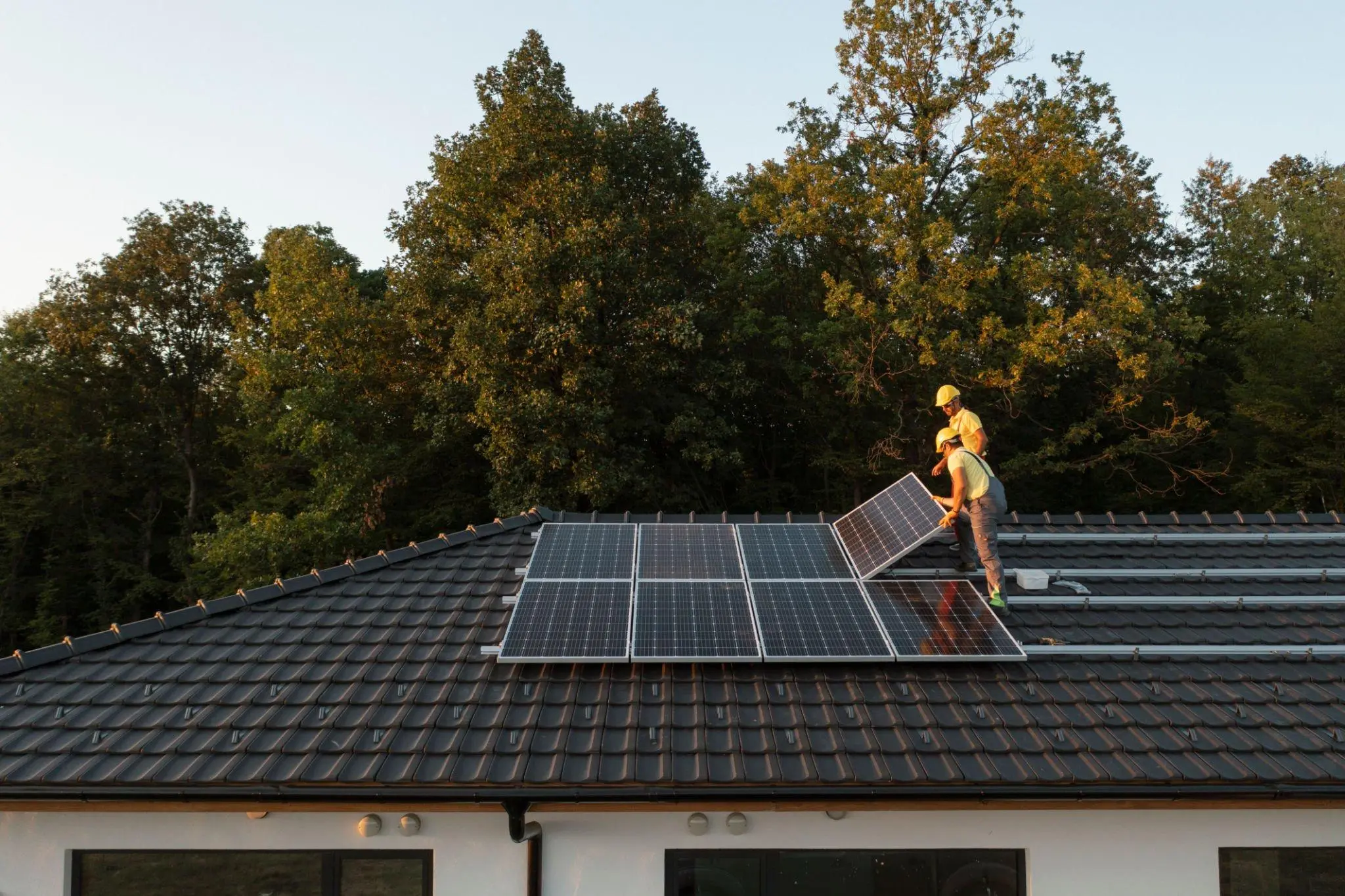
Australia has strong rooftop-solar adoption, and for many households the practical reason for installing solar is straightforward: generate electricity at the property and use suitable production directly during the day.
A well-designed system should be based on more than the number of panels that fit on the roof. Household consumption, daytime loads, roof orientation, shading, available network capacity and future energy requirements should all be considered.
- Generate renewable electricity at home
- Reduce suitable daytime grid electricity purchases
- Use available roof space productively
- Prepare for compatible home battery storage
- Plan for future EV charging
- Support wider household electrification
How Much Do Residential Solar Panels Cost in Australia?
Residential solar pricing depends on system capacity, solar panels, inverter choice, roof conditions, switchboard requirements, installation complexity, property location and applicable incentives.
A practical residential solar size for many smaller and medium households.
- Approx. 24–30kWh possible daily generation
- Suitable for many family homes
- Battery-ready options available
- Smart monitoring options
Higher-capacity residential solar for family homes with stronger electricity requirements.
- Approx. 38–48kWh possible daily generation
- Higher generation potential
- Strong battery pairing
- EV-ready planning options
High-output residential solar for larger homes with suitable roof space and higher electricity use.
- Approx. 50–65kWh possible daily generation
- Suitable for larger homes
- Battery integration available
- Pool and EV planning
6.6kW vs 10kW vs 13.2kW Residential Solar
There is no universal residential solar-system size. A household with modest daytime consumption has different requirements from a larger family with a pool, ducted air conditioning, battery storage and an electric vehicle.
| Solar System | Starting Price* | Possible Daily Output* | Potential Application | Future Planning |
|---|---|---|---|---|
| 6.6kW | From $3,999* | Approx. 24–30kWh | Small to medium households | Battery-ready options |
| 10kW | From $5,999* | Approx. 38–48kWh | Larger family homes | Battery + EV planning |
| 13.2kW | From $6,999* | Approx. 50–65kWh | Large and higher-use homes | Larger storage + EV loads |
How Do You Choose the Right Solar System Size?
The best system is not necessarily the smallest or largest option. It should be designed around your current electricity use and the way your household may consume energy in the future.
Electricity Bills
Review recent bills to understand overall electricity consumption and seasonal changes.
Daytime Consumption
Identify how much electricity is used while solar panels are actively generating.
Roof Space
Available roof area, orientation, pitch and obstructions influence the solar-panel layout.
Shading
Trees, neighbouring buildings, roof structures and other obstructions can affect solar production.
Battery Plans
If a home battery is planned, consider whether the proposed solar array can produce suitable surplus energy for charging.
Future EV
An electric vehicle can increase household electricity demand, making future charging an important design consideration.
What Is Included in a Home Solar System?
A complete residential solar installation involves more than rooftop panels. The panels, inverter, mounting equipment, electrical components, monitoring and installation should work together as one system.
Solar Panels
Solar modules generate DC electricity from available sunlight. Panel efficiency, size, warranty and manufacturer should be considered.
Solar Inverter
The inverter converts solar-generated DC electricity into AC electricity suitable for household use.
Mounting System
Mounting equipment secures the solar array to the roof and should suit the relevant roof structure and installation.
Electrical Equipment
Protection, cabling, isolators and associated components form part of a professionally designed solar installation.
Monitoring
Compatible inverter monitoring can help homeowners track solar production and system performance.
Professional Installation
Correct design, installation, commissioning and documentation are essential parts of the complete system.

Should You Add a Battery to Residential Solar?
A home battery can store suitable surplus solar electricity for later use. Whether storage makes sense for a particular property depends on electricity consumption, solar exports, tariffs, desired backup functionality, battery capacity and installed cost.
For homeowners planning both technologies, designing solar and battery storage together can help ensure the generation capacity, inverter configuration and storage system are considered as one energy solution.
- Store suitable surplus solar generation
- Use stored energy later in the day
- Consider evening and overnight demand
- Plan solar and storage compatibility together
- Assess backup requirements where applicable
- Prepare for future household electrification
Alpha ESS Battery Price Melbourne – Adding Storage to Residential Solar
Melbourne homeowners researching Alpha ESS Battery Price Melbourne are often comparing battery storage as the next stage of an existing residential solar installation or as part of a new solar + battery system.
The installed price of an AlphaESS battery can vary according to the selected storage configuration, usable capacity, inverter requirements, existing solar equipment, backup configuration, switchboard condition and installation complexity.
Battery Capacity
Storage should be considered against household evening consumption and the amount of surplus solar available for charging.
Existing Solar
The capacity and configuration of an existing residential solar system can influence battery selection and integration.
Inverter Compatibility
Existing inverter equipment should be assessed when considering a battery retrofit or alternative system architecture.
Backup Requirements
Where backup is required, the proposed circuits, equipment and system capabilities need to be considered.
Future Electricity Use
EV charging, electric hot water and other future loads can influence how much solar generation and battery storage may be appropriate.
Installed Price
Compare complete installed quotations rather than battery hardware prices that may exclude required electrical and installation work.
Looking for an Alpha ESS battery price in Melbourne? A property-specific assessment is more useful than a generic battery price because the final configuration depends on your existing solar system, energy use and installation requirements.
Compare AlphaESS battery solutions or explore home battery storage options.
Plan Your Home Solar System for Modern Battery Storage
Even if you are not installing a battery immediately, future storage can be considered when designing residential solar. Solar capacity, inverter selection, available switchboard space and future electricity demand can all influence the pathway to storage.
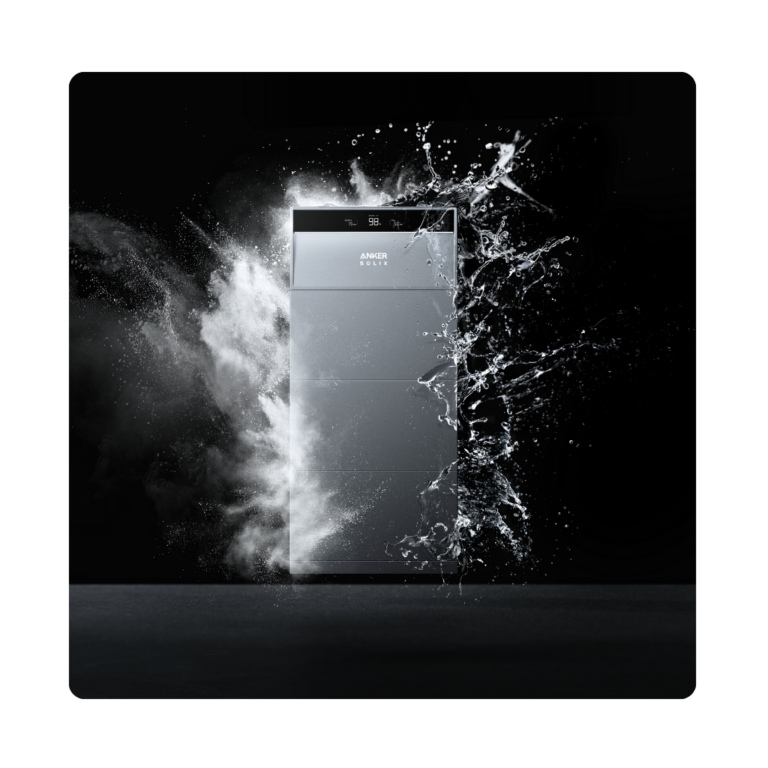
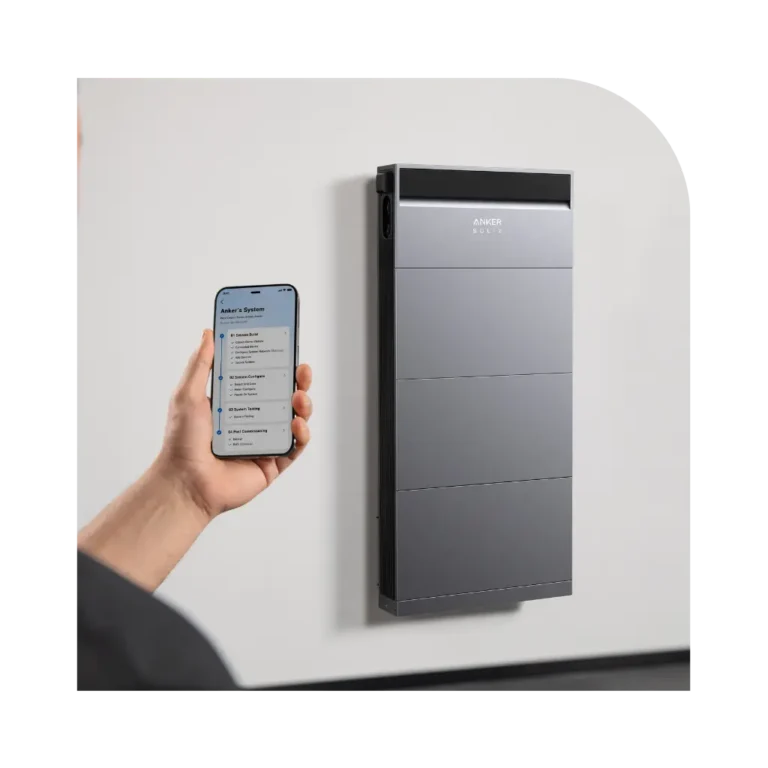
Modern modular battery platforms such as Anker SOLIX X1 are examples of the storage technologies homeowners may compare when planning a broader home-energy system.
- Consider future battery capacity
- Plan inverter compatibility
- Review expected solar exports
- Allow for increasing household electricity use
- Consider future EV charging
- Assess backup requirements separately
How Much Battery Storage Should You Plan For?
Battery capacity should not automatically match the numerical size of the solar system. A 10kW solar system and a 10kWh battery measure different things and serve different functions.
Solar capacity is measured in kilowatts (kW), while battery energy storage is generally measured in kilowatt-hours (kWh). Battery sizing should therefore be based on electricity consumption and available surplus generation.
- Review evening and overnight electricity use
- Measure or estimate available solar exports
- Consider seasonal changes in consumption
- Include future EV charging where relevant
- Consider desired backup loads
- Avoid oversizing storage without a clear use case
Design Residential Solar Around the Home You Will Have Tomorrow
Residential electricity consumption can change significantly over the life of a solar system. A household may add an electric vehicle, replace gas appliances, install electric hot water, add a pool or increase air-conditioning use.
Considering these future changes during the original system design can help avoid choosing a solar system based only on today’s electricity bill.
Future loads may include:
- Electric vehicle charging
- Heat-pump hot water
- Induction cooking
- Electric heating and cooling
- Pool equipment
- Home battery storage
- Additional household members
- Home office electricity use
Learn more about home EV charging.
How Does Residential Solar Installation Work?
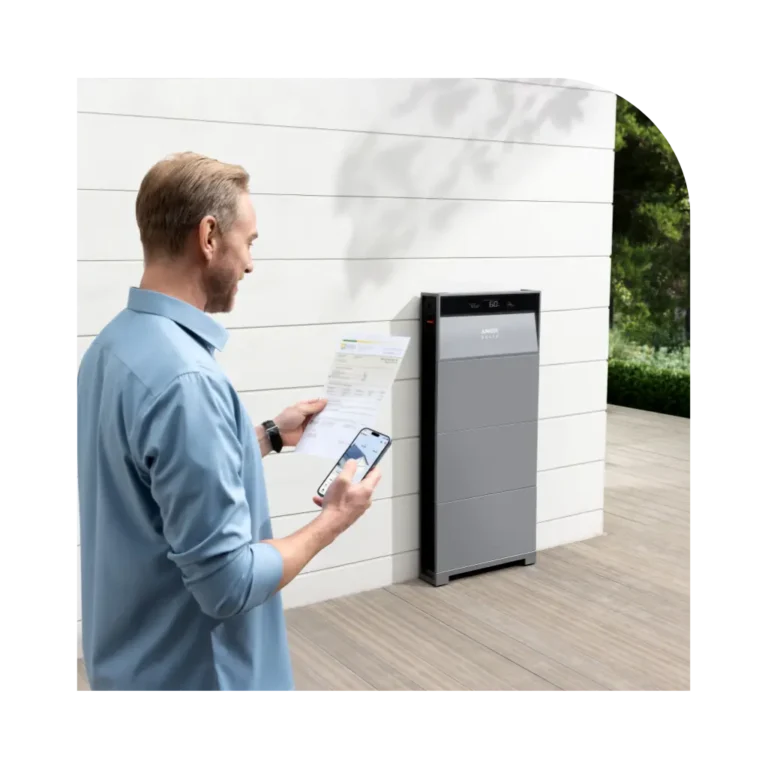
A professional home solar project should start with the property and its electricity requirements before equipment is selected.
Energy Assessment
Review electricity bills, daytime consumption and future battery or EV requirements.
Property Review
Assess roof space, orientation, shading, switchboard condition and relevant property characteristics.
System Sizing
Determine a practical solar capacity based on consumption, available roof space and future requirements.
Equipment Selection
Select suitable solar panels, inverter technology and any required battery-ready configuration.
Solar Proposal
Receive a property-specific proposal outlining equipment, capacity and installation inclusions.
Installation
Solar panels, inverter and associated electrical equipment are professionally installed.
Commissioning
The system is tested and commissioned after installation work is completed.
Monitoring
Where supported, monitoring is configured to help you review solar-system performance.
Why Choose ADS Solar for Residential Solar Panels?
ADS Solar has worked in the Australian solar industry since 2009 and provides residential solar, battery storage, EV charging and commercial energy solutions across major Australian markets.
Established Since 2009
Long-term experience delivering solar solutions for Australian homes and businesses.
NETCC Approved Retailer
An important credential for Australian customers comparing solar retailers and installation providers.
SAA-Accredited Installers
Applicable installation work is completed by appropriately qualified and accredited professionals.
Property-Specific Design
Solar capacity and equipment can be considered against electricity use, roof conditions and future requirements.
Solar + Battery Expertise
Residential solar can be planned alongside compatible battery storage and future home-energy requirements.
Residential & Commercial
ADS Solar provides solutions ranging from standard home solar through to larger commercial energy projects.
Residential Solar Panels Across Major Australian Cities
ADS Solar supports homeowners across major metropolitan markets, with Sydney, Melbourne, Brisbane, Adelaide and Canberra forming the core residential service focus.
Commercial Solar Systems for Larger Energy Requirements
ADS Solar also provides commercial solar for businesses and larger properties. Commercial system design should consider operating hours, interval electricity demand, available roof space, network requirements and project objectives.
20kW Solar
Suitable for selected larger residential and smaller commercial energy requirements.
20kW solar prices →30kW Solar
Commercial-scale solar for suitable businesses with substantial daytime electricity use.
30kW solar prices →50kW Solar
Larger commercial solar for warehouses, offices, retail and other suitable business properties.
50kW solar prices →100kW Solar
High-capacity commercial solar for organisations with substantial daytime electricity requirements.
100kW solar cost →Explore ADS Solar commercial solar solutions.
Frequently Asked Questions About Residential Solar Panels in Australia
Answers to common questions about home solar pricing, system sizes, battery storage, AlphaESS and residential installation.
How much do residential solar panels cost in Australia?
The cost depends on solar-system capacity, panels, inverter, roof type, switchboard requirements, installation complexity and location. ADS Solar currently advertises selected 6.6kW, 10kW and 13.2kW systems from $3,999*, $5,999* and $6,999* respectively.
What size residential solar system should I install?
The right size depends on household electricity consumption, daytime usage, available roof space, shading, battery plans, EV charging and future electricity requirements.
Is a 6.6kW solar system enough for a home?
A 6.6kW system can be suitable for many smaller and medium households, but suitability depends on actual electricity consumption, roof conditions and future energy requirements.
Is a 10kW solar system suitable for residential use?
A 10kW system can suit larger households, properties with higher daytime electricity consumption, battery-storage plans or future EV charging, subject to roof space and network requirements.
When should I consider a 13kW solar system?
A larger 13kW-class system may suit high-energy homes with sufficient roof area, pools, significant air-conditioning use, batteries, EV charging or greater future electrification.
Should I install a battery with residential solar?
A battery can store suitable surplus solar electricity for later use. Whether it is appropriate depends on solar exports, evening consumption, tariffs, desired backup functionality, battery capacity and installed cost.
What is the Alpha ESS battery price in Melbourne?
The installed Alpha ESS battery price in Melbourne depends on battery capacity, configuration, inverter compatibility, existing solar equipment, backup requirements, switchboard condition and installation complexity. A property-specific quote is the best way to determine the complete installed price.
Can AlphaESS be added to an existing solar system?
Compatibility depends on the existing solar array, inverter, electrical configuration and proposed battery system. The property and existing solar equipment should be assessed before selecting a battery.
Can residential solar charge an electric vehicle?
Yes. Suitable daytime EV charging can use available rooftop solar generation. The solar-system size and charging strategy should be considered against household consumption and vehicle requirements.
Can I add a battery later?
In many cases, yes. If future storage is planned, considering battery compatibility and expected energy requirements during the original solar-system design can make future planning easier.
How much electricity can residential solar generate?
Generation depends on system size, location, weather, season, panel orientation, shading and system losses. As a broad guide, ADS Solar uses approximately 24–30kWh/day for 6.6kW, 38–48kWh/day for 10kW and 50–65kWh/day for 13.2kW systems.
Where does ADS Solar install residential solar?
ADS Solar focuses on residential solar installation across major Australian metropolitan areas including Sydney, Melbourne, Brisbane, Adelaide and Canberra, with service availability depending on postcode and project requirements.
How long has ADS Solar been operating?
ADS Solar was established in 2009 and provides residential solar, battery storage and commercial energy solutions in Australia.
Residential Solar, Battery, EV & Commercial Energy Resources
Continue your research with ADS Solar guides covering residential solar sizes, battery-ready systems, EV charging and larger commercial projects.
Residential Solar
Compare residential solar systems designed around Australian homes.
Residential solar →Commercial Solar
Explore solar systems for Australian businesses and commercial properties.
Commercial solar →20kW Solar
Explore larger solar for high-energy properties and smaller commercial sites.
20kW solar →100kW Commercial Solar
Learn about larger commercial solar projects and system-cost considerations.
100kW solar →Get a Residential Solar Quote for Your Australian Home
Whether you are comparing a 6.6kW, 10kW or 13kW solar system, planning future battery storage, researching AlphaESS, or preparing your home for EV charging, ADS Solar can assess your property and help you compare a suitable residential energy solution.