ADS Solar | Australian Solar Price Guide 2026
How Much Do Solar Panels Cost in Australia? 2026 Price Guide
A professionally installed residential solar panel system in Australia can start from $3,999* with ADS Solar. The final cost depends on system capacity, equipment, roof conditions, installation complexity and applicable incentives.
If you are comparing solar panel prices in Australia, this guide explains what you can expect to pay for a 6.6kW, 10kW, 13.2kW, 15kW or larger solar system, what affects installation costs and how to estimate your potential electricity savings.
ADS Solar Starting Prices
| Solar System | Advertised Starting Price |
|---|---|
| 6.6kW Solar System | $3,999* |
| 10kW Solar System | $5,999* |
| 13.2kW Solar System | $6,999* |
| 15kW Solar System | $8,999* |
| 20kW+ Solar System | Custom Quotation |
*Indicative ADS Solar promotional starting prices. Eligibility, STC assumptions, location, network requirements, installation conditions and inclusions must be confirmed in a written quotation. Prices may change.
Call 1300 812 911Get Your Personalised Solar Quote
Find out how much a suitable solar system could cost for your Australian home or business.
Your quote will consider your property, electricity usage, preferred equipment and installation requirements.
What Is the Average Cost of Solar Panels in Australia?
The average cost of a solar panel installation in Australia varies significantly because homeowners purchase complete solar power systems rather than individual panels alone. A complete system typically includes solar panels, an inverter, mounting hardware, electrical protection, installation labour and commissioning.
For a practical price comparison, ADS Solar currently advertises a 6.6kW solar system from $3,999* and a 10kW solar system from $5,999*. Larger systems may offer a lower installation cost per watt where roof space and electrical infrastructure allow.
These figures are ADS Solar starting prices rather than an independently calculated Australian market average. For an accurate installed price, request an itemised quote based on your property.
Solar Panel System Prices in Australia by Size
The ideal solar system depends on your electricity consumption, available roof area, daytime energy usage, budget and future plans for battery storage or electric vehicle charging. The following prices provide a starting point for comparison.
6.6kW Solar System
A popular residential size for smaller households and homes with moderate electricity consumption.
Indicative daily generation: 24–30kWh under suitable conditions.
10kW Solar System
Suitable for many larger households, electric hot water systems and homes with higher daytime electricity usage.
Indicative daily generation: 38–48kWh under suitable conditions.
13.2kW Solar System
Designed for households seeking higher solar production and potential future battery or EV integration.
Indicative daily generation: 50–65kWh under suitable conditions.
15kW Solar System
An option for larger homes, high electricity demand and eligible properties with adequate roof space.
Indicative daily generation: 60–75kWh under suitable conditions.
Generation estimates are broad planning figures, not guaranteed daily output. Actual performance varies by location, season, orientation, shading, weather and system losses.
Solar System Price Comparison
| System Size | Starting Price | Price per Watt | Typical Application |
|---|---|---|---|
| 6.6kW | $3,999* | About $0.61/W | Small to medium households |
| 10kW | $5,999* | About $0.60/W | Medium to large households |
| 13.2kW | $6,999* | About $0.53/W | Higher-consumption homes |
| 15kW | $8,999* | About $0.60/W | Large homes and higher demand |
Price per watt is calculated using the advertised starting price divided by nominal solar panel capacity. It is not a comparison of identical equipment or installations.
Explore our dedicated 20kW solar system price guide for larger residential and commercial applications.
What Affects Solar Panel Installation Costs in Australia?
Two solar systems with the same advertised capacity can have different installed prices. Understanding the main cost drivers helps you assess quotes fairly.
1. Solar Panel Capacity and Efficiency
Higher-capacity systems usually require more panels, mounting components and electrical work. Premium high-efficiency panels may cost more but can be useful when roof space is limited.
2. Solar Inverter Selection
The inverter converts solar electricity into usable AC electricity. Inverter cost depends on brand, capacity, phase configuration, monitoring capability and compatibility with future batteries.
3. Roof Type and Accessibility
Metal and tiled roofs can require different mounting systems and installation techniques. Steep roofs, difficult access and additional safety equipment may increase labour costs.
4. Switchboard and Electrical Upgrades
Some properties need switchboard modifications, metering changes, additional protection devices or electrical infrastructure upgrades before solar installation can proceed.
5. Location and Network Approval
Installation costs and network connection requirements vary between Australian states, distributors and individual properties. Export limits may also influence the recommended system design.
6. Warranties and Installation Quality
Compare equipment warranties, workmanship coverage, installer accreditation, monitoring access and after-sales support alongside the upfront price.
What Should Be Included in a Solar Installation Quote?
- Solar panel brand, model, quantity and total capacity.
- Inverter brand, model and rated output.
- Mounting equipment, electrical protection and cabling.
- Installation, testing and commissioning.
- Grid connection and metering responsibilities.
- Estimated solar generation and financial assumptions.
- Applicable STC discount and any other incentives.
- Equipment warranties and workmanship warranty.
- Any exclusions or possible additional charges.
Solar Panel Rebates and Government Incentives in Australia in 2026
Government incentives can reduce the upfront cost of an eligible solar installation. However, the value depends on the installation date, system capacity, location and applicable scheme rules.
Federal Small-Scale Technology Certificates (STCs)
Australia’s Small-scale Renewable Energy Scheme supports eligible solar installations through Small-scale Technology Certificates, commonly called STCs. These certificates have a market value and are frequently assigned to the solar retailer in exchange for an upfront discount on the customer’s invoice.
The number of STCs depends on the system’s eligible capacity, installation location, applicable deeming period and scheme requirements. The federal scheme is scheduled to progressively reduce support through to 2030.
State and Territory Solar Incentives
Additional assistance may be available in certain states or territories, including targeted household programs, loans or battery-related incentives. These programs can open, close or change eligibility.
Before purchasing, review the latest information from the relevant government authority and check whether the incentive can be combined with the federal STC scheme.
Useful official resources include: Australian Government energy information , Clean Energy Regulator and Solar Victoria .
How Much Money Can Solar Panels Save in Australia?
Solar savings depend on how much electricity your system produces, how much of that electricity you use directly, your retail electricity tariff and the feed-in tariff for surplus exports.
Electricity consumed directly from your solar system usually has greater financial value than electricity exported to the grid, particularly when the feed-in tariff is lower than the price you pay for imported energy.
Illustrative Annual Solar Savings Calculation
Consider a household with a solar system generating 9,000kWh annually. Assume 40% of production is used directly in the home and the remaining 60% is exported.
| Calculation | Example |
|---|---|
| Annual solar generation | 9,000kWh |
| Direct household consumption | 3,600kWh |
| Grid exports | 5,400kWh |
| Assumed avoided electricity cost | $0.30/kWh |
| Assumed feed-in tariff | $0.05/kWh |
| Direct consumption savings | $1,080/year |
| Export credits | $270/year |
| Total estimated annual benefit | $1,350/year |
This is an illustrative calculation, not a forecast or savings guarantee. It excludes changes in tariffs, fixed daily supply charges, maintenance costs, degradation and other property-specific factors.
How Long Does It Take for Solar Panels to Pay for Themselves?
Simple solar payback is calculated by dividing the net upfront system cost by estimated annual financial benefits.
A realistic assessment should consider your actual electricity bills, roof suitability, consumption profile and local electricity tariffs.
Solar Panel Installation Costs Across Australia
Solar panel prices can vary between Sydney, Melbourne, Brisbane, Adelaide and Canberra due to differences in labour, logistics, roof conditions, network rules and the incentives available at the installation address.
Solar Panel Costs in Sydney, NSW
Sydney homeowners often compare 6.6kW, 10kW and 13.2kW systems for reducing household electricity purchases. Roof shading, distributor approval and existing electrical infrastructure can affect costs.
Solar Panel Costs in Melbourne, VIC
Melbourne solar system selection should account for seasonal generation differences, roof orientation, household consumption and any applicable Victorian government assistance.
Solar Panel Costs in Brisbane, QLD
Brisbane’s solar resource makes rooftop generation attractive for many properties. Air conditioning loads, export conditions and roof suitability should be considered when sizing a system.
Solar Panel Costs in Adelaide, SA
Adelaide homeowners should consider daytime self-consumption, local feed-in tariffs and network export arrangements when comparing solar system quotations.
Solar Panel Costs in Canberra, ACT
Canberra properties may benefit from solar self-consumption throughout the year. System selection should consider winter demand, roof exposure and any applicable ACT programs.
Regional and Commercial Installations
Regional access, freight, installation complexity, three-phase electrical requirements and larger commercial energy loads can affect project pricing. A site-specific assessment is recommended.
ADS Solar provides solar installation services across its supported service areas in NSW, Victoria, Queensland, South Australia and the ACT. Installation availability should be confirmed for your postcode.
How Much Do Solar Panels Cost With Battery Storage?
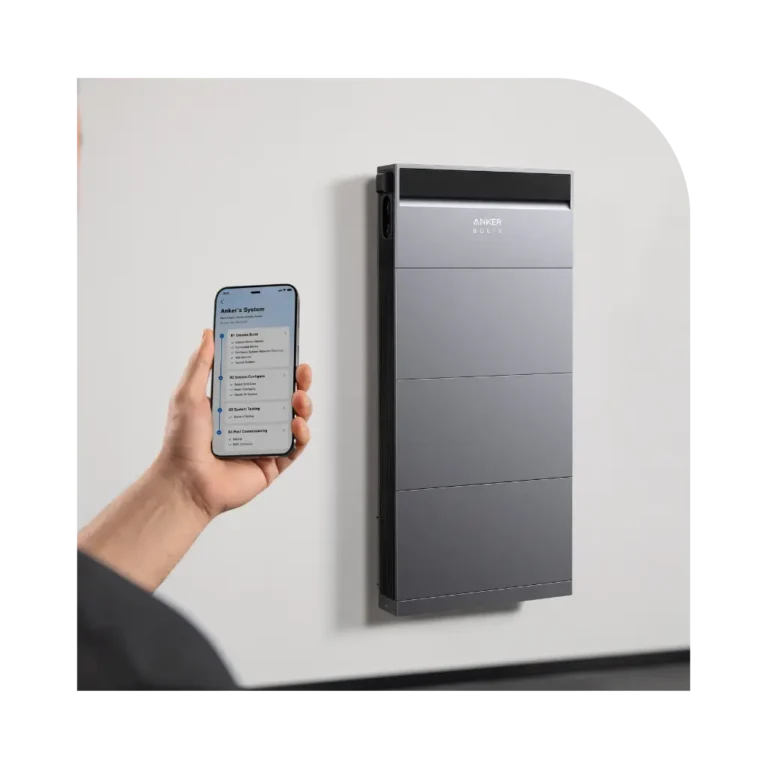
Adding battery storage increases the upfront investment but can help households use more of their solar generation during the evening or at other times when solar panels are not producing electricity.
Battery pricing depends on usable storage capacity, inverter compatibility, backup capability, installation requirements and applicable incentives.
Solar and Battery Installation Considerations
- Choose battery capacity based on your evening and overnight electricity usage.
- Confirm whether the battery can work with your existing or proposed inverter.
- Ask whether backup power is included or requires additional hardware.
- Check usable capacity, warranty terms and expected operating conditions.
- Confirm the eligibility and value of any battery incentives.
Explore home battery storage solutions , solar battery prices in Sydney and 15kWh-class battery pricing .
How to Choose the Right Solar System for Your Home
The cheapest solar system is not necessarily the most economical option over its operating life. The right system should balance upfront cost, expected production, equipment reliability and your actual energy needs.
- Review your electricity bills. Check annual consumption in kilowatt-hours, not just the dollar value of the bill.
- Understand when you use electricity. Homes with high daytime usage may achieve greater direct solar self-consumption.
- Assess your roof. Consider available area, orientation, shading, roof condition and future renovations.
- Plan for future demand. Electric vehicles, heat pumps, electric cooking and home batteries may influence system sizing.
- Compare equipment and warranties. Look beyond headline price to panel specifications, inverter quality and after-sales support.
- Request a detailed installation quote. Confirm the complete installed price, assumptions, exclusions and grid connection requirements.
Why Choose ADS Solar for Solar Panel Installation?
ADS Solar is an Australian-owned solar business operating since 2009, providing residential and commercial solar solutions across supported Australian service areas.
✓ Established Australian Business
Solar industry experience dating back to 2009, with a focus on helping customers assess suitable solar and battery options.
✓ Accredited Installation Professionals
Solar installations supported by appropriately accredited installers and applicable Australian electrical and safety requirements.
✓ System Options for Different Budgets
Compare residential system sizes, equipment options and installation requirements before making your purchase decision.
✓ Personalised Quotations
Receive pricing based on your electricity usage, property details, proposed equipment and installation location.
Frequently Asked Questions About Solar Panel Costs in Australia
How much do solar panels cost in Australia in 2026?
ADS Solar advertises residential solar systems starting from $3,999* for 6.6kW, $5,999* for 10kW, $6,999* for 13.2kW and $8,999* for 15kW. The final installed price depends on equipment, site conditions and eligibility for incentives.
How much does a 6.6kW solar system cost?
ADS Solar advertises a 6.6kW solar system from $3,999*, subject to applicable conditions. Request a written quote to confirm the equipment and installation inclusions.
How much does a 10kW solar system cost?
ADS Solar advertises a 10kW solar system from $5,999*. The final price may change depending on roof conditions, inverter selection, electrical upgrades and location.
Are solar panels worth installing in Australia?
Solar panels can be financially worthwhile when the system is appropriately sized and a meaningful share of solar electricity is used within the property. Savings depend on electricity prices, usage patterns, system output and upfront cost.
Does the solar panel price include installation?
A complete solar system quotation should clearly state the installation inclusions. Ask ADS Solar to confirm whether the quoted price includes labour, equipment, electrical work, commissioning and applicable incentives.
Can I receive a solar rebate in 2026?
Eligible installations may benefit from federal Small-scale Technology Certificates. Additional assistance depends on current state or territory programs and eligibility. Always confirm the latest scheme conditions.
How long do solar panels last?
Many modern solar panels are designed for long-term operation, with performance warranties often extending for 25 years or more. Product warranty terms, performance guarantees and inverter lifespans vary by manufacturer.
Do I need a solar battery with my solar panels?
No. Grid-connected solar panels can operate without a home battery. A battery may be useful when you want to increase evening solar self-consumption or obtain compatible backup capabilities, but it requires a separate financial and technical assessment.
What size solar system is best for a family home?
A 6.6kW or 10kW system may suit many Australian households, but there is no single ideal size. The recommendation should reflect annual electricity consumption, daytime usage, roof space, export limits and future demand.
How can I get an accurate solar installation quote?
Provide your postcode, recent electricity bill, roof details and any plans for batteries or electric vehicles. ADS Solar can then assess suitable system options and provide a property-specific quotation.
Final Thoughts: What Should You Budget for Solar Panels in Australia?
Solar panel installation costs in Australia depend on more than the number of panels. System capacity, inverter selection, roof conditions, electrical infrastructure, incentives and installation quality all influence the final investment.
ADS Solar’s advertised starting prices provide a useful benchmark: $3,999* for 6.6kW, $5,999* for 10kW, $6,999* for 13.2kW and $8,999* for 15kW. The best way to establish your actual cost is to obtain a detailed quote for your property.
Find Out How Much Solar Could Cost for Your Property
Compare suitable solar system options with ADS Solar. Get a personalised quotation for your home or business.
Request a Solar Quote Call 1300 812 911