Guide to Installing Solar Panels in Sydney Homes
Installing solar panels in a Sydney home can reduce electricity purchased from the grid, make better use of your roof and help you prepare for future energy needs. The right result depends on your roof, daytime energy use, system design and installation quality.
This practical guide explains how to assess your home, choose a suitable solar system, understand installation costs and approvals, and decide whether to add battery storage. ADS Solar has supported Australian households with solar solutions since 2009.
Quick answer: Start with 12 months of electricity bills, check your roof’s condition and shading, compare appropriately sized solar systems, confirm grid connection and approval requirements, and choose qualified installers. After installation, confirm commissioning and monitoring are complete.
Why Install Solar Panels on Your Sydney Home?
Sydney’s solar resource makes rooftop solar a practical option for many houses. Generating electricity during daylight hours can reduce the amount you buy from your retailer, while excess generation may be exported subject to your connection and electricity plan.
- Lower grid purchases: Use solar electricity directly for appliances, heating, cooling and daytime activities.
- Long-term energy planning: A correctly designed system can serve your home for many years.
- Reduced operational emissions: Solar generation can replace some grid-supplied electricity.
- Battery-ready options: Plan for storage or electric vehicle charging if your needs may change.
Actual savings depend on consumption, tariff, feed-in rates, system output and installation cost. Solar does not eliminate every electricity charge.
Step 1: Assess Your Roof and Solar Suitability
Before installing residential solar panels in Sydney, assess roof age, structural condition, available area, shading and safe access. A roof that needs replacement or major repairs should generally be addressed before panels are fitted.
In Sydney, north-facing panels often deliver strong annual production, but east- and west-facing arrays can also work well, particularly when they better match morning or afternoon electricity use. South-facing roofs require a more careful site-specific assessment.
Ask your installer to account for trees, chimneys, nearby buildings, roof pitch, wind loading and the condition of the switchboard.
Step 2: Choose the Right Solar System Size
Your electricity bills and daily usage pattern are more useful than choosing a system based on roof area alone. Consider your household’s daytime consumption, air conditioning, electric hot water, electric vehicle charging and possible future battery installation.
| Solar system size | Common consideration |
|---|---|
| 6.6kW | Often considered for small to medium households, depending on consumption |
| 10kW | May suit households with higher daytime demand or planned electrification |
| 13.2kW | Can suit larger homes where roof area and network approval permit |
| 15kW and above | Requires careful assessment of demand, inverter configuration and grid constraints |
Compare 6.6kW solar systems, 10kW solar systems and residential solar solutions. An installer should provide a site-specific production estimate rather than a guaranteed daily output.
Step 3: Understand Solar Panel Installation Costs in Sydney
Solar installation prices vary with panel and inverter selection, roof access, mounting requirements, switchboard upgrades and other site conditions. ADS Solar’s advertised residential solar starting offers include:
| System size | Advertised starting price* |
|---|---|
| 6.6kW | $3,999* |
| 10kW | $5,999* |
| 13.2kW | $6,999* |
| 15kW | $8,999* |
*Indicative advertised starting offers only. Final eligibility, applicable incentives, product selection and site-specific installation requirements must be confirmed in a written quotation. Prices and incentive availability may change.
When comparing quotes, look beyond the headline price. Check panel and inverter models, warranty terms, estimated output, workmanship coverage, monitoring features and any exclusions.
Step 4: Decide Whether You Need Solar Battery Storage
A battery stores some of the excess electricity produced by your solar panels for use later, such as during the evening. Storage may be worth exploring if your home exports significant daytime energy and imports electricity at night.
Battery value depends on usable capacity, tariff structure, consumption, installation costs and available incentives. Backup power is not automatic: it requires a compatible system and appropriate backup configuration.
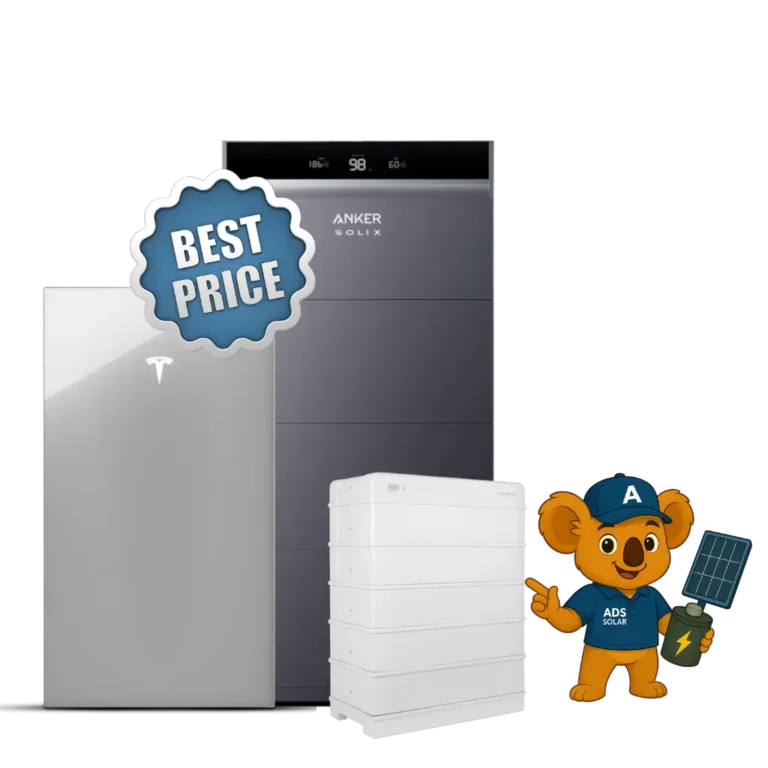
ADS Solar offers battery solutions including Anker SOLIX X1 and other established brands. Ask for a comparison of battery capacity, usable energy, power output, warranty and compatibility with your solar inverter.
Step 5: Check Sydney Solar Approvals, Rebates and Installation Standards
Before installation, confirm any applicable planning requirements, distributor connection conditions and metering arrangements. Many standard residential installations can follow established approval pathways, but heritage properties, unusual roof structures and larger systems may need additional checks.
Ask your provider to explain current Australian small-scale solar incentives and any NSW battery programs that apply at the time of your quotation. Eligibility and program rules can change, so avoid assuming that every household qualifies.
Use appropriately accredited designers and installers, and request confirmation that equipment and electrical work meet applicable Australian standards and network requirements.
Step 6: What Happens on Solar Installation Day?
- Site confirmation: The installer checks roof access, system layout, equipment placement and electrical arrangements.
- Mounting and panels: Suitable mounting hardware and solar modules are secured to the roof.
- Inverter and wiring: The inverter, isolating and protection equipment, cabling and monitoring are installed as required.
- Testing and commissioning: The electrical system is tested and required documentation is completed.
- Handover: You receive operating instructions, warranty details and information about monitoring and grid/metering processes.
Installation duration depends on system size, roof complexity, weather, site access and any electrical upgrades. Grid export and metering arrangements may require additional processing after the physical installation.
Step 7: Monitor and Maintain Your Solar System
After installation, use the inverter or monitoring app to track generation and identify unexpected changes. Keep warranty and installation documents in a safe place.
Inspect system performance periodically and arrange professional assessment if you notice persistent faults, damage or unusual drops in output. Panel cleaning needs vary with roof conditions; avoid unsafe roof access or working around live electrical equipment.
If your electricity usage changes, review whether a battery, EV charger or system upgrade could improve how much solar energy you use at home.
Choosing a Solar Installation Company in Sydney
A trustworthy installer should explain the proposed system in plain language, assess your property, provide realistic performance estimates and document what is included in the price. Ask who will carry out the electrical work, which accreditations apply, how warranties are handled and who to contact after installation.
ADS Solar provides residential solar and battery solutions for Sydney households, as well as commercial solar installations for businesses. The team can help you compare system configurations based on your roof and energy requirements.
Solar Panel Installation Across Sydney Suburbs
ADS Solar assists customers across Sydney and surrounding areas, including Parramatta, Blacktown, Penrith, Castle Hill, Baulkham Hills, Kellyville, Rouse Hill, Bella Vista, Norwest, Chatswood, Hornsby, Ryde, the Inner West, Eastern Suburbs, Northern Beaches, Liverpool, Campbelltown and Sutherland Shire.
Roof design, shading, local weather exposure and electricity usage vary across Sydney. A tailored assessment is the best way to establish which solar system is suitable for your property.
Frequently Asked Questions About Installing Solar Panels in Sydney Homes
How much does it cost to install solar panels in Sydney?
Costs depend on system size, equipment and site conditions. ADS Solar advertises selected residential solar starting offers from $3,999*, subject to a confirmed quotation and applicable conditions.
Which direction should solar panels face in Sydney?
North-facing roofs often provide strong annual output, while east- and west-facing panels can better align with household electricity use. The best orientation depends on your site and usage.
How long does a residential solar installation take?
The installation schedule depends on roof access, system complexity, weather and electrical work. Your installer should confirm a realistic timeline after assessing the property.
Do I need council approval to install solar panels?
Many standard residential installations have straightforward approval pathways, but some properties or designs require additional checks. Your installer should confirm planning and network requirements.
Can I add a solar battery later?
Often yes, provided the selected battery and inverter arrangement are compatible. Planning for future storage when installing panels can help avoid unnecessary upgrades.
Will solar panels work during cloudy weather?
Yes, solar panels can generate electricity under cloud cover, although output is generally lower than in strong direct sunlight.
Can solar panels power my home during a blackout?
Most grid-connected solar systems shut down during an outage for safety. Backup operation requires compatible equipment and a correctly configured backup system.
Get a Solar Installation Quote for Your Sydney Home
Ready to explore rooftop solar? ADS Solar can help you assess your roof, compare system sizes and understand options for solar panels and battery storage. Share your postcode and recent electricity usage to get started.
Prefer to speak with the team? Call 1300 812 911.