
Rouse Hill solar & battery solutions
Solar Panels & Solar Battery Installation in Rouse Hill NSW
Build an energy system around the way your home lives, works and uses electricity.
Whether you are installing your first solar panels or adding storage to an existing system, Ads Solar helps you compare practical options for your Rouse Hill property. Start with your roof, electricity use and future plans, then choose a solar and battery configuration that brings those needs together.
- New rooftop solar and combined solar-and-battery systems
- Battery upgrades with an existing inverter assessment
- Clear advice on capacity, installation costs and backup
- Support understanding applicable incentive requirements
Australian owned since 2009. Explore Ads Solar or call 1300 812 911.
A solar design that starts with your Rouse Hill property
A postcode cannot tell you how much solar will fit on your roof or how much electricity a battery will save. Roof direction, usable space, nearby shading and the hours you spend at home make a more useful starting point.
For a Rouse Hill household planning electric heating, a heat-pump hot-water system or an EV, future demand deserves a place in the design. For a home with an older solar installation, the first question may be whether to retain, expand or replace existing equipment.
Sydney’s seasonal conditions also matter. Compare expected generation and household consumption across the year rather than sizing a battery from a strong summer day. A winter evening heating load can create a very different energy profile.
Our solar and battery solutions can be assessed as one system, or you can begin with residential solar panels and discuss a future storage pathway.

Solar panel installation in Rouse Hill: what to assess
Rooftop solar supplies electricity when your panels are generating. The amount you use directly at home, rather than export, is an important part of the savings calculation. Appliances scheduled during daylight can help you make better use of production.
- Roof layout: assess orientation, roof condition, obstacles and shading before selecting panel numbers.
- Electricity demand: review daytime use, seasonal patterns and proposed new appliances.
- Inverter design: match equipment to the panel layout, supply type and future battery plans.
- Connection conditions: confirm the applicable network approval and export limits.
- Installation access: account for roof height, switchboard work and cable routes.
A 6.6 kW, 10 kW or larger array is a design option, not a recommendation based solely on the number of bedrooms. Ask for an estimate showing the proposed panel layout and the assumptions behind expected output.
Solar battery installation: store energy for later
A battery can store surplus solar for use after generation falls. It may reduce evening grid purchases, but its value depends on having enough energy to charge it and enough later demand to use the stored electricity.
Think about the period between late afternoon and the following morning. Cooking, lighting, heating, cooling and overnight appliances all contribute to this load. If you want an outage reserve, some stored energy may be held back instead of used for daily savings.
Compare home battery options using both usable capacity in kWh and power output in kW. Capacity tells you how much energy is available; output tells you how much appliance demand the system can support at once.

How much battery capacity should you consider?
| Storage band | What it may help cover | What to check |
|---|---|---|
| 5–10 kWh | Part of a smaller evening or overnight load | Actual after-sunset imports and available solar surplus |
| 10–15 kWh | A more substantial share of overnight household demand | Seasonal charging opportunities and reserve settings |
| 15–20 kWh | Higher overnight demand or additional reserve energy | Whether the extra capacity will be used regularly |
| More than 20 kWh | A specifically assessed high-demand application | Generation, output limits and the cost of extra storage |
These bands are illustrative, not recommendations for a particular household. Your assessment should distinguish nominal capacity from usable energy and account for conversion losses.
If your household imports 7 kWh overnight, a much larger battery is not automatically the better purchase. Conversely, a small battery may discharge early if evening heating demand is high. Interval data helps resolve that choice.
Solar panel and battery installation costs in Rouse Hill
The useful price is the total for the equipment and work your property needs. Comparing two advertisements by panel size or battery capacity alone can hide major differences in inverter equipment, backup hardware and installation scope.
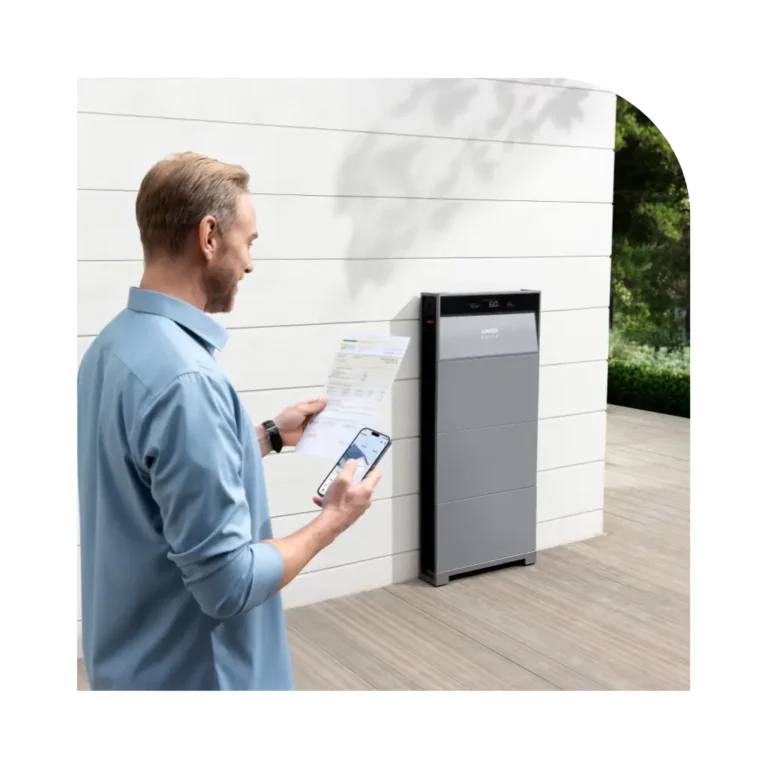
Request a written quote separating the gross cost, GST, eligible incentives and final customer payment. A loan, where available and approved, is a repayment obligation rather than an additional discount.
- Panel model, array capacity and proposed roof layout
- Battery model, module quantity and usable capacity
- Inverter model and existing equipment to be retained or replaced
- Mounting, cabling, switchboard work and installation inclusions
- Backup equipment and supported circuits, if requested
- Commissioning, monitoring, warranties and exclusions
Use our solar battery prices guide to prepare your comparison. For a specific configuration, review the Anker SOLIX X1 15 kWh guide or 20 kWh guide and confirm an installed quote for your Rouse Hill address.
Request an itemised quote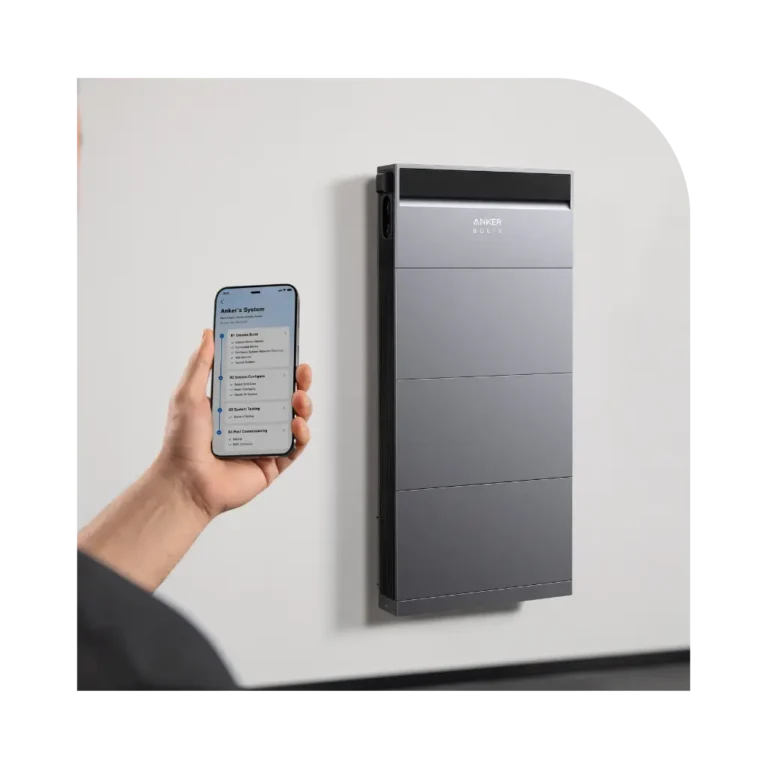
Compare battery brands by the complete system
A good comparison starts with the equipment being offered and the result you want. Ask how each configuration supports your existing solar, monitoring preferences, backup priorities and possible expansion.
Anker SOLIX X1
Explore Anker SOLIX X1 and compare the proposed module configuration, inverter arrangement and supported expansion pathway.
Tesla Powerwall 3
Read our Tesla Powerwall 3 guide and discuss integration with your current solar, electrical supply and nominated backup loads.
Sigenergy
Review Sigenergy battery solutions and confirm which controller, storage modules and backup equipment are included.
Sungrow
Compare Sungrow battery options using the exact battery and inverter models. Compatibility cannot be assumed from a brand name alone.
Alpha ESS
Explore Alpha ESS systems and assess usable capacity, installation requirements and warranty conditions for the model quoted.
SAJ
Use our SAJ battery guide to begin a comparison of the complete installed system, including output, storage and backup scope.
Can you add a battery to your existing solar?
Many solar systems can be assessed for a battery upgrade without replacing the panels. The installation method depends on your inverter, electrical supply and the selected battery.
An AC-coupled arrangement may retain the existing solar inverter. A different design may use a compatible hybrid inverter to manage solar and storage together. The assessment should explain why the proposed arrangement suits your equipment and goals.
Send the inverter make and model, approximate installation date and available generation data. If the existing system is underperforming, it is worth understanding the cause before adding storage.
Ask specifically how the system behaves during a grid outage. Normal grid-connected compatibility does not establish that your panels can recharge the battery in backup mode.
Solar rebates and battery incentives in Victoria
NSW incentive eligibility
Eligible households may receive a solar PV rebate of up to $1,400. It covers up to 50% of the eligible purchase cost, subject to the cap and program requirements. An optional matching interest-free loan may also be available to approved applicants.
Solar Victoria requires eligibility approval before installation. Check the authorised retailer and eligible product requirements, and have connection pre-approval and export constraints addressed as part of the process.
Source: Solar Victoria solar panel rebate guidance.
Federal battery support
Qualifying batteries connected to new or existing solar may be eligible under the Australian Government’s Cheaper Home Batteries Program. Support depends on eligibility, usable capacity and installation date; it is not a fixed cash amount for every household.
From 1 May 2026, the STC factor is applied at 100% to the first 14 kWh, 60% to the portion above 14–28 kWh and 15% to the portion above 28–50 kWh of usable capacity. These are factor percentages, not percentages off the total quote.
Source: Australian Government battery program guidance. Incentive information checked 17 September 2026; confirm eligibility and current conditions before booking.
Backup power needs a separate plan
A battery does not automatically power the whole home in a blackout. Backup needs compatible equipment, suitable circuit arrangements and sufficient output for the connected appliances.
Start by listing essentials such as the fridge, selected lighting and internet equipment. Then discuss larger loads separately, including electric heating, ovens and EV chargers.
- Confirm the circuits and phases supported during an outage.
- Check continuous power and appliance starting demands.
- Agree on a battery reserve setting.
- Confirm whether solar charging is supported while the grid is unavailable.
- Ask for runtime estimates based on stated loads and starting charge.
For EV planning, explore our EV charging solutions. Charging a vehicle directly from solar during the day can change how much household battery capacity is useful.
From assessment to installation and handover
- Share your requirements. Provide your address, bill, existing equipment details and plans for new electrical appliances.
- Review the property. Assess the roof, shading, switchboard, supply type and suitable battery locations.
- Compare the proposal. Check equipment, expected operation, itemised costs and any incentive assumptions.
- Confirm approvals and timing. Establish connection conditions, applicable rebate steps and the proposed installation schedule.
- Install and commission. Complete the agreed work and test the configured system.
- Understand the handover. Review monitoring, operating settings, documents and support contacts.
Ask for timing after the assessment. Roof access, additional electrical work, equipment availability and approval requirements can influence the schedule.
A practical approach to long-term value
Solar and battery savings depend on what you generate, when you use electricity and the tariff you pay. A proposal should explain these assumptions rather than promise the same return for every property.
For storage, account for energy losses and the feed-in credit you give up when surplus solar charges the battery instead of being exported. If you join a virtual power plant, compare provider access, reserve controls, payments and exit conditions before enrolling.
Ads Solar has operated in Australia since 2009. When comparing your proposal, ask about the installation team, equipment warranties, workmanship coverage and who handles service enquiries. Clear responsibilities matter as much as an attractive headline price.
Rouse Hill homes and business properties
Tell us about your Rouse Hill address and property type so we can confirm the assessment required. Roof ownership and access may need additional discussion for a townhouse or shared building.
For a business, operating hours and tariff structure may call for a different design. Visit our commercial battery storage page to discuss a business-specific assessment.
Rouse Hill solar and battery FAQs
Do solar panels work on cloudy days in Rouse Hill?
Panels can generate in diffuse daylight, but output varies with weather, shading, season and system design. Ask for a seasonal estimate rather than assuming the same production every day.
Should I install solar and a battery at the same time?
Planning both together can simplify equipment selection, but a staged installation may suit your budget. If storage will be added later, confirm the supported upgrade pathway for the inverter you buy now.
How much does a solar battery cost in Rouse Hill?
The installed cost depends on the battery, inverter arrangement, backup requirements and property work. Request a current itemised quote showing incentives separately; capacity alone is not enough to establish a price.
Is 10 kWh enough battery storage?
It may be suitable for some households, but the answer depends on overnight demand, solar surplus, usable capacity and any reserved backup energy. Review interval data before choosing.
Can a battery cover winter heating?
That depends on heating demand, battery output, available charge and runtime. Winter generation and evening usage should be modelled together, especially if heating is a major load.
Will I still pay an electricity bill?
Usually. Grid-connected properties may still import electricity and pay fixed supply charges. A solar and battery system should not be treated as a guarantee of zero bills.
Can I keep my existing inverter?
Possibly. Some battery arrangements retain the solar inverter; others require a compatible hybrid inverter. The exact model and intended operating arrangement need assessment.
What should I check before accepting a quote?
Confirm the equipment models, usable battery capacity, installation inclusions, backup scope, connection conditions, warranty terms and final payment. Check any rebate approvals required before work starts.
What ADS Solar customers say
Read independent feedback before choosing an installer. ADS Solar publishes customer feedback on its Google reviews page, while the ADS Solar ProductReview profile provides another place to compare recent experiences, service and installation comments.
Google customer feedback
Our reviews page displays the current Trustindex Google feed when the widget is enabled in WordPress. Review comments can change, so follow the source for the latest rating and full context.
Read Google reviewsProductReview feedback
ProductReview includes verified customer discussions about communication, products, installation and after-sales service. We encourage every Rouse Hill customer to assess the complete record.
Read ProductReviewReview links are provided for transparency. Individual outcomes vary by property, product and project scope.
Find a solar and battery solution for your Rouse Hill home
Bring your roof, electricity use and future plans into one clear proposal. Ask Ads Solar for a tailored assessment and an itemised installation quote.