
Solar Battery Installation Melbourne
Store your spare solar for later—with a battery system designed around your home, not just a headline capacity.
Ads Solar helps Melbourne households explore new solar and battery systems, storage upgrades for existing panels and selected-circuit backup. We assess your electricity use, solar output and property requirements before recommending equipment.
Start with your evening routine, the appliances you want to support and the budget you have in mind. We will help you understand the options and what an installation would involve.
Call 1300 812 911 or request a tailored assessment.
How does solar battery installation work?
A solar battery stores energy for later use. Installation involves selecting compatible equipment, assessing a suitable location, completing electrical work and commissioning the system. Backup capability is a separate design consideration and is not included automatically.
For Melbourne homes, the useful starting point is how much electricity you use after solar production falls and how much daytime surplus is available. A system that looks generous on paper can be underused if those two patterns do not line up.
Compare home battery storage with a complete solar and battery package to decide which assessment you need.
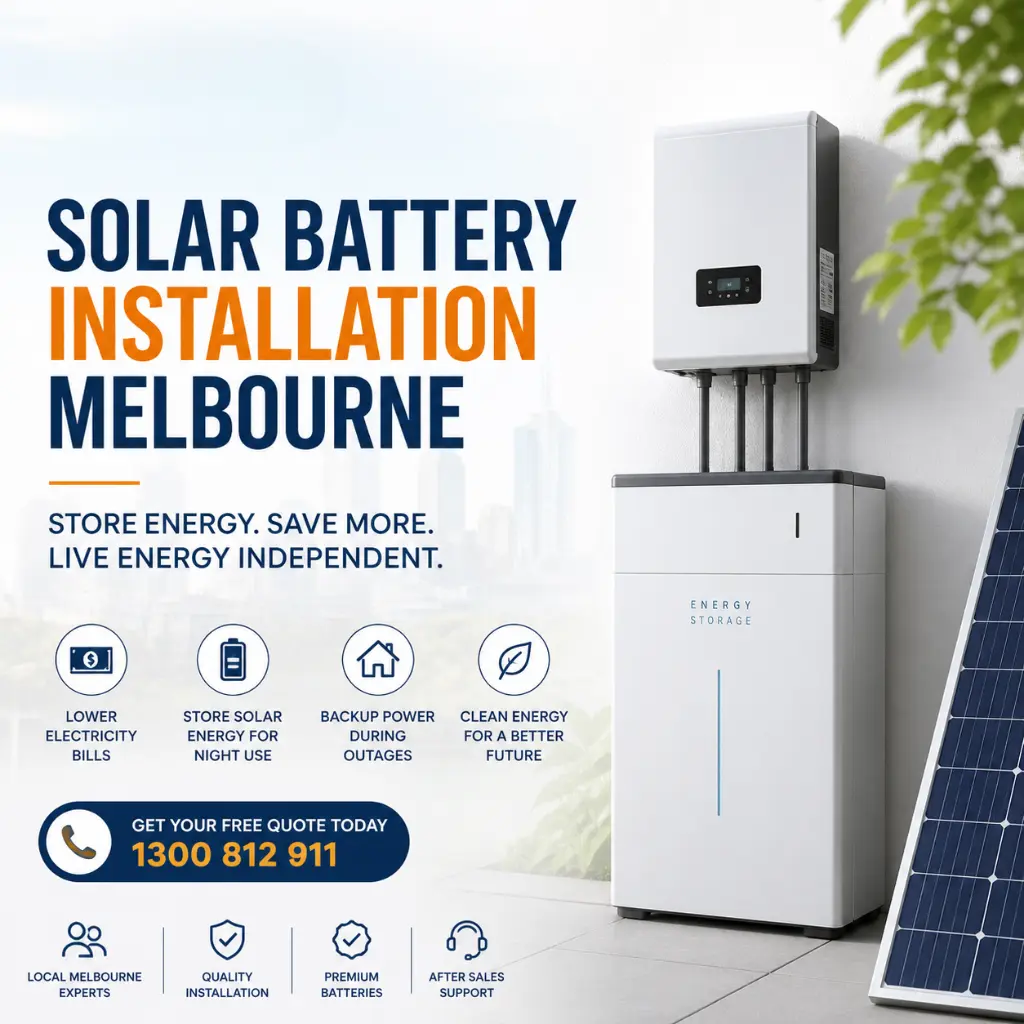
Melbourne households do not all need the same battery
A home occupied through the day may consume much of its solar as it is generated. A household returning in the evening may export more energy during daylight and buy electricity later. These patterns lead to different recommendations.
Plan for seasonal differences
Review generation across the year rather than one sunny month. Shorter winter days, roof shading and heating demand can change how much energy is available to store and when you need it.
Check the actual tariff
Evening electricity is not automatically charged at a higher rate. Compare your flat or time-of-use tariff, export credit and any demand charges before estimating the value of stored energy.
Think about your next upgrade
Electric hot water, cooking and transport can change consumption. If an electric vehicle is planned, consider EV charging alongside solar generation and household storage.
How much does a solar battery cost in Melbourne?
There is no single installed price for every Melbourne home. The battery model, usable capacity, inverter arrangement, backup equipment and electrical work determine the quote. Any eligible incentive should be shown separately so you can understand the price before and after the allowance.
Use our solar battery price guide as a starting point, then request a property-specific quote. A price for hardware alone should not be compared directly with a fully specified installation.
| Item | What should be clear |
|---|---|
| Battery and inverter | Exact model numbers, usable storage, output power and whether an inverter is included or retained. |
| Installation work | Mounting, cable routes, electrical protection and any switchboard changes. |
| Backup | Included hardware, supported circuits and operating limits during an outage. |
| Total and incentives | GST-inclusive customer total, itemised exclusions and eligibility assumptions behind any discount. |
| After installation | Commissioning, monitoring access, warranty documents and who to contact for support. |
What size battery should you choose?
Choose storage around the energy you expect to use, not the number of bedrooms. Usable capacity in kilowatt-hours (kWh) describes available energy; output in kilowatts (kW) describes the demand the system can support at a given time.
- Review evening and overnight consumption using interval data where available.
- Compare that demand with spare solar after daytime loads are supplied.
- Allow for system losses and any reserve kept for backup.
- Check simultaneous appliance demand against the inverter’s power limits.
Illustrative example: a home using 8kWh between sunset and morning should assess storage around that demand, alongside charging availability and backup needs. This does not automatically mean an 8kWh product is the right choice.
Larger capacity may be useful for some households, but unused capacity adds cost without necessarily improving everyday value.
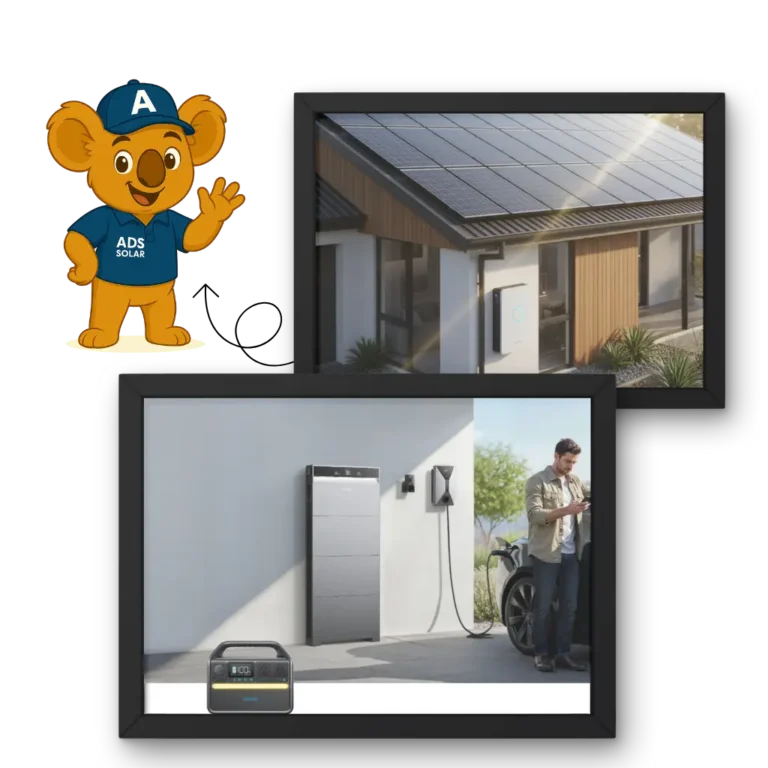
Existing solar upgrade or a new solar and battery system?
Keep compatible solar equipment
A battery may be added without replacing the panels. The existing inverter, system condition and proposed coupling arrangement must be assessed first. Send us your inverter model and installation date if known.
Design solar and storage together
Starting from scratch lets panel capacity, inverter selection and storage be considered together. Explore residential solar to plan generation around both current consumption and battery charging.
Review an older system
If generation is low or the existing inverter is nearing replacement, a broader upgrade may be worth comparing with a battery-only installation. Ask for the reasons and costs of each option.
Compare solar battery brands for your Melbourne home
The best fit depends on your property and priorities. These product guides help you explore the options; confirm current specifications, compatibility and warranty terms for the exact configuration in your quote.
Tesla Powerwall 3
Discuss the proposed Powerwall arrangement, electrical supply compatibility and the equipment needed for your backup requirements.
Sigenergy SigenStor
Check which controller, battery modules and optional components are included, and how the system would support future changes.
Anker SOLIX X1
Explore an X1 configuration against your available space, usable energy requirement and inverter compatibility.
Sungrow batteries
Compare the battery and inverter pairing, backup design and manufacturer conditions for adding capacity later.
Alpha ESS
Review the specific model offered, supported functions, warranty conditions and the support arrangements in your proposal.
SAJ battery systems
Consider the complete SAJ system, including installation work, monitoring and any additional backup hardware.
Look beyond the battery cabinet
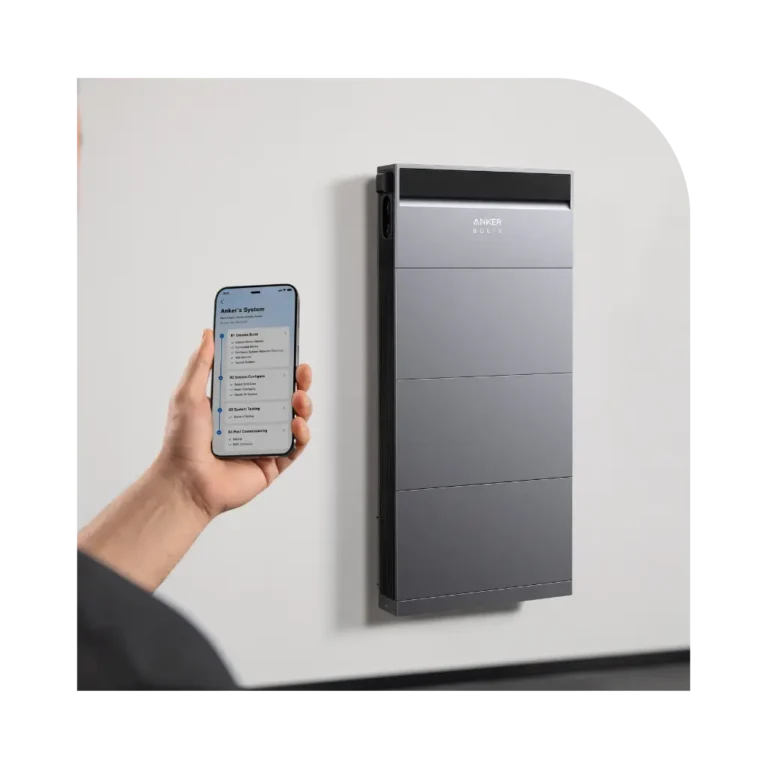
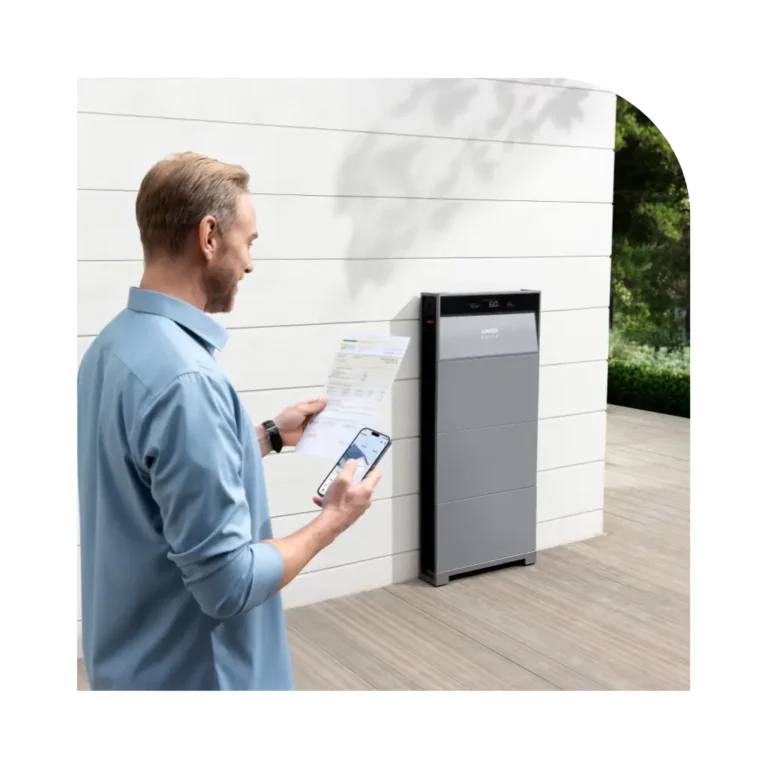
Will a battery power your home during a blackout?
Only if the installation includes a suitable backup arrangement. A grid-connected battery does not automatically provide outage power, and whole-home backup should never be assumed.
Identify the loads that matter: refrigeration, lighting, communications or selected power points may be a different design challenge from heating, cooking or EV charging. Ask which circuits are supported, their combined power limit and whether solar can recharge the battery while the grid is unavailable.
Outage duration depends on available charge, reserve settings and actual loads. Three-phase homes also need a clear explanation of which phases and circuits are supported by the proposed system.
Battery incentives for Melbourne installations
Eligible solar batteries can receive an upfront discount through small-scale technology certificates under the federal scheme. Eligibility depends on the system and installation requirements; a discount should not be assumed for every product or property.
The Clean Energy Regulator states that eligible batteries must be installed with new or existing rooftop solar. Ask your retailer to identify the applicable requirements and the incentive allowance in your quote. Read the official solar battery eligibility guidance.
For Victorian program information, check Solar Victoria’s battery information directly. Do not assume an older state loan offer is available to new applicants or can be combined with a federal incentive.
Virtual power plant participation is a separate consideration. Review control permissions, tariff conditions, export payments and backup reserve settings before joining a plan.
What happens during a Melbourne battery installation?
- Usage and goals: share bills, interval data, existing solar details and the appliances you want to support.
- Site and compatibility review: assess battery location, electrical supply, switchboard, inverter and connection requirements.
- Written proposal: compare the specified equipment, costs, exclusions, backup scope and warranty documents.
- Installation planning: address required approvals and agree on access and any expected power interruption.
- Commissioning and handover: receive system guidance, monitoring access where provided, relevant documentation and support contact details.
The schedule depends on the property, equipment availability and required approvals. Ask what remains outstanding before an installation date is confirmed.

Speak with Ads Solar in Melbourne
Contact Ads Solar to discuss a recommendation that connects the equipment to your energy goals. Ask us to explain why a particular configuration is proposed and what alternatives have been considered.
Victorian office: Ground Floor, Corporate One, 84 Hotham Street, Preston VIC 3072.
Phone: 1300 812 911
Email: sales@adssolar.com.au
Please contact us before arranging an office visit.
Discuss your Melbourne suburb
Enquiries are welcome from Melbourne’s north, west, east and south-east. Let us confirm service availability, site access and installation scheduling for your address.
- Preston, Reservoir and Epping
- Point Cook, Tarneit and Werribee
- Doncaster, Box Hill and Glen Waverley
- Bentleigh, Oakleigh, Berwick and Cranbourne
A suburb name does not determine the design: roof conditions, usage and electrical requirements still need individual assessment.
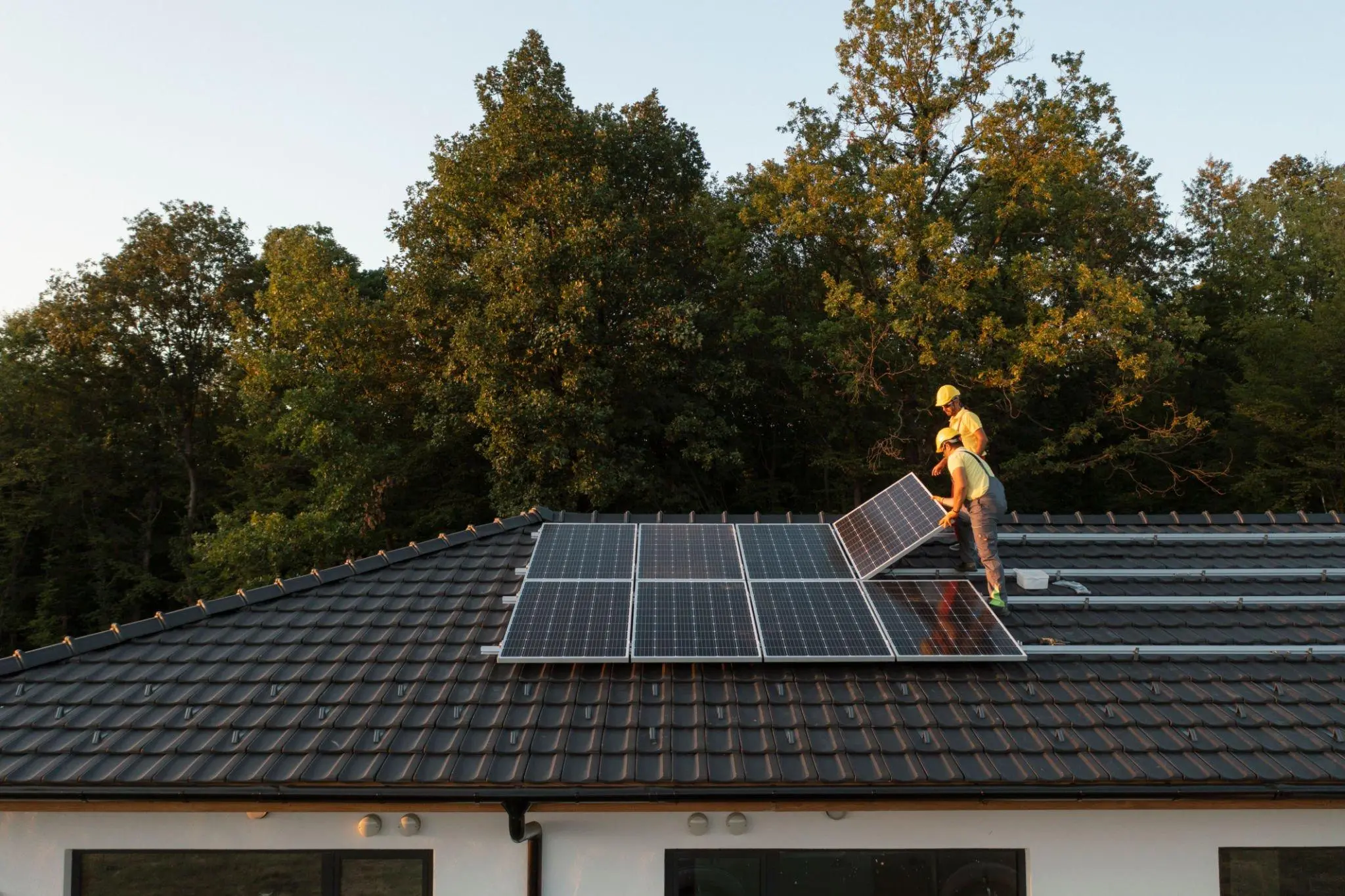
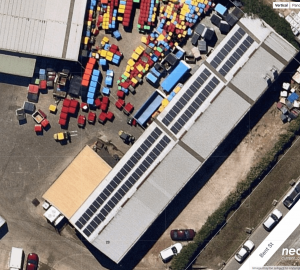
Images from the wider Ads Solar portfolio
The supplied project images below provide broader portfolio context. They are not presented as Melbourne battery installations, and no battery performance or savings claim is attached to them.

Solar battery installation Melbourne: frequently asked questions
Is a solar battery worth installing in Melbourne?
It may be useful when spare daytime generation can replace later grid imports. Evaluate the installed cost, consumption pattern, tariffs, losses and expected usage together. Backup value is a separate personal consideration; a fixed payback period cannot be promised.
Can a battery work during Melbourne’s winter?
Yes, but solar charging opportunities vary with generation and household use. Review winter production and heating demand before sizing the system. Do not assume the battery will fully recharge from solar every day.
Can I add storage to my existing solar?
Often, subject to compatibility and system condition. The assessment should identify whether existing equipment can be retained and whether an inverter replacement or other electrical work is required.
How do I compare a 10kWh and a 20kWh battery?
Compare usable energy, output power, charging availability and your actual overnight consumption. More capacity is only useful if you can charge and use it, or if it serves a deliberate backup requirement.
Will a battery remove all electricity charges?
Not necessarily. Grid imports may still be needed and fixed supply charges can remain. Bills depend on weather, consumption, system operation and the electricity plan.
Can an EV use the same stored energy?
It depends on the system and charging arrangement. Vehicle charging can consume substantial energy, so compare charging directly from daytime solar with drawing down the home battery. Ask how charging priority will be managed.
Which battery brand is best?
There is no universal winner. Compare suitable models against your installation space, existing equipment, power needs, backup scope, warranty and budget.
What information should I send for a quote?
Your suburb, recent bill, existing inverter model, approximate solar capacity and photos of the switchboard and proposed battery area are helpful. Start with the form above if those details are not yet available.
Plan your Melbourne solar battery installation
Tell us how your home uses electricity and what you want to improve. Ads Solar can help you compare a battery upgrade with a complete solar and storage solution.