
Solar for warehouses and distribution facilities
Large warehouse roofs and strong daytime electricity use can make commercial solar a practical energy investment. ADS Solar designs solar solutions for warehouses, logistics facilities, storage centres and distribution businesses, with commercial battery storage available where suitable.
Start with roof area and load data
For larger warehouse systems, interval electricity data, roof plans, operating hours, switchboard capacity and site demand help determine whether a 50kW, 100kW or larger commercial solar system is appropriate.
Why solar can work well for warehouse facilities
Warehouses often combine large roof areas with significant daytime commercial electricity demand, creating opportunities to generate and use solar energy directly on-site.
Large roof area
Warehouse roofs can provide substantial usable space for medium and large commercial solar arrays.
Daytime electricity use
Lighting, offices, HVAC, refrigeration, conveyors and machinery can consume electricity during solar-production hours.
Future energy demand
Growing businesses can plan solar capacity around future equipment, refrigeration, vehicle charging and other loads.
Battery opportunities
Commercial battery storage may support solar self-consumption, load shifting and selected demand-management strategies.
What size solar system does a warehouse need?
The right system size depends on electricity consumption, available roof area, export limits, operating hours, demand profile and expected future energy loads.
20kW solar
A starting point for smaller warehouses, workshops and mixed-use commercial properties.
View 20kW solar pricing →30kW solar
Suitable to consider for growing businesses with higher daytime electricity consumption.
View 30kW solar pricing →50kW solar
A useful comparison size for medium commercial warehouses and operating facilities.
View 50kW solar pricing →100kW solar
Suitable to assess for larger warehouses, distribution centres and commercial premises.
View 100kW solar systems →Use interval data to size warehouse solar properly
Having a large roof does not automatically mean installing the largest possible system will deliver the best commercial result. Solar capacity should be matched to the site’s actual energy profile.
- Half-hourly or interval electricity consumption
- Peak electricity demand and demand charges
- Weekday and weekend operating hours
- Refrigeration, machinery and HVAC loads
- Network and solar export limitations
- Future equipment or vehicle-charging demand
Why solar self-consumption matters
Solar electricity consumed directly by a warehouse can reduce electricity purchased from the grid.
Depending on the business electricity tariff and export arrangement, exported solar may have a lower financial value than electricity used directly within the facility.
Commercial battery storage for warehouses
Battery storage can become part of a warehouse energy strategy where the site’s electricity profile and operating objectives provide a suitable business case.
Store excess solar
Suitable surplus daytime solar generation can be stored and used later when solar output falls or electricity demand increases.
Peak-demand management
A correctly modelled commercial battery may help manage selected demand peaks where demand charges are part of the electricity tariff.
Backup strategy
Selected critical loads may be supported where the battery, inverter and electrical system are specifically designed and engineered for backup operation.
Solar solutions for larger Australian businesses
Warehouse solar sits within a broader commercial and industrial energy strategy. ADS Solar can assess suitable system sizes based on facility demand, roof conditions and operational requirements.
Commercial solar solutions
Explore solar solutions for offices, retail properties, warehouses, business premises and other commercial facilities.
Explore commercial solar → Industrial solarIndustrial solar solutions
Explore higher-capacity solar solutions for industrial facilities, manufacturing operations, warehouses and large electricity consumers.
Explore industrial solar →Commercial solar project experience
Explore examples of commercial solar installations completed across different Australian business and community environments. Every commercial project requires appropriate site assessment, electrical design and system sizing.
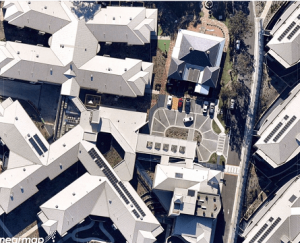
Blue Haven Bonaira
Commercial solar project demonstrating how substantial rooftop areas can support larger on-site solar generation.
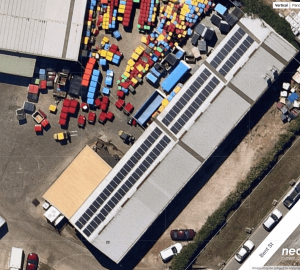
Bent Street, St Marys
Business rooftop solar project highlighting the importance of roof layout, usable installation area and commercial load.
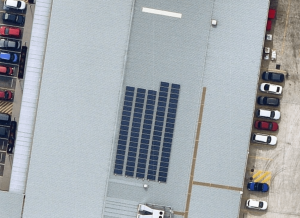
Flower Power, Milperra NSW
Commercial rooftop solar installed for a business site where daytime electricity use can align with solar generation.
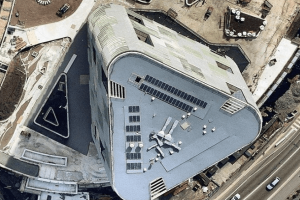
Commercial rooftop installation
A professionally designed commercial solar installation created around available roof area and site electricity demand.
Factors that influence warehouse solar design
A commercial solar proposal should consider more than the total available roof area. The design needs to work with the building, electrical infrastructure and business operations.
- Usable roof area and roof orientation
- Shading and surrounding structures
- Roof condition and structural suitability
- Safe access and maintenance zones
- Switchboard and electrical infrastructure
- Network connection requirements
- Existing and future electricity consumption
- Commercial battery requirements
Large commercial systems require site-specific design
Warehouse and industrial solar systems should not be selected solely from a standard package size.
ADS Solar can review available electricity information and site requirements before recommending an appropriate system.
Request a warehouse solar quote
Tell ADS Solar about your facility, roof area, electricity consumption and operating hours. For larger commercial systems, interval electricity data can help with more accurate solar and battery modelling.
Commercial energy solutions for Australian businesses
Explore commercial, industrial and battery solutions or compare common system capacities before requesting a site-specific proposal.
ADS Solar
Explore ADS Solar’s residential, commercial and energy-storage solutions.
Visit ADS Solar →Commercial solar
Explore commercial solar solutions for businesses and commercial properties.
Explore commercial solar →Industrial solar
Explore higher-capacity solar systems for warehouses and industrial facilities.
Explore industrial solar →Commercial batteries
Explore commercial battery storage for business energy management.
Explore commercial batteries →Explore commercial solar system sizes
Compare common commercial system capacities before arranging a more detailed site and electricity-consumption assessment.
20kW solar system
Explore 20kW commercial solar system information and pricing.
Learn more →30kW solar system
Explore 30kW commercial solar system information and pricing.
Learn more →50kW solar system
Explore 50kW commercial solar system information and pricing.
Learn more →100kW solar system
Explore 100kW commercial solar system information and costs.
Learn more →Turn warehouse roof space into an energy asset
ADS Solar can assess available roof space, electricity demand, commercial battery opportunities and electrical requirements before proposing a suitable solar system.
Frequently asked questions about solar for warehouses
What size solar system is suitable for a warehouse?
The appropriate size depends on electricity use, usable roof area, export limits and future energy demand. Warehouses may compare 20kW, 30kW, 50kW, 100kW or larger commercial systems after the site’s energy requirements are reviewed.
Are warehouses suitable for commercial solar?
They can be. Large roof areas combined with daytime electricity demand can create favourable conditions for producing and consuming solar electricity on-site.
Can warehouse solar reduce electricity costs?
Solar electricity consumed directly by the business can reduce electricity purchased from the grid. Actual savings depend on electricity consumption, solar production, tariffs, system size and other site-specific factors.
Can warehouse solar help with demand charges?
Solar may reduce site demand when solar generation overlaps with periods of high electricity consumption. Commercial batteries may provide additional demand-management opportunities where the site’s load profile and tariff support them.
Can a warehouse add commercial battery storage?
Yes, subject to site suitability and a suitable use case. Commercial battery sizing should consider interval electricity consumption, solar exports, peak demand, operating hours and the objectives of the business.
How much roof space is required for warehouse solar?
Required roof area depends on solar-system capacity, panel dimensions, roof layout, shading, access zones and structural considerations. Larger projects require an appropriate roof and engineering assessment.
Can I see examples of ADS Solar commercial projects?
Yes. Visit the ADS Solar project gallery to explore examples of completed solar installations.